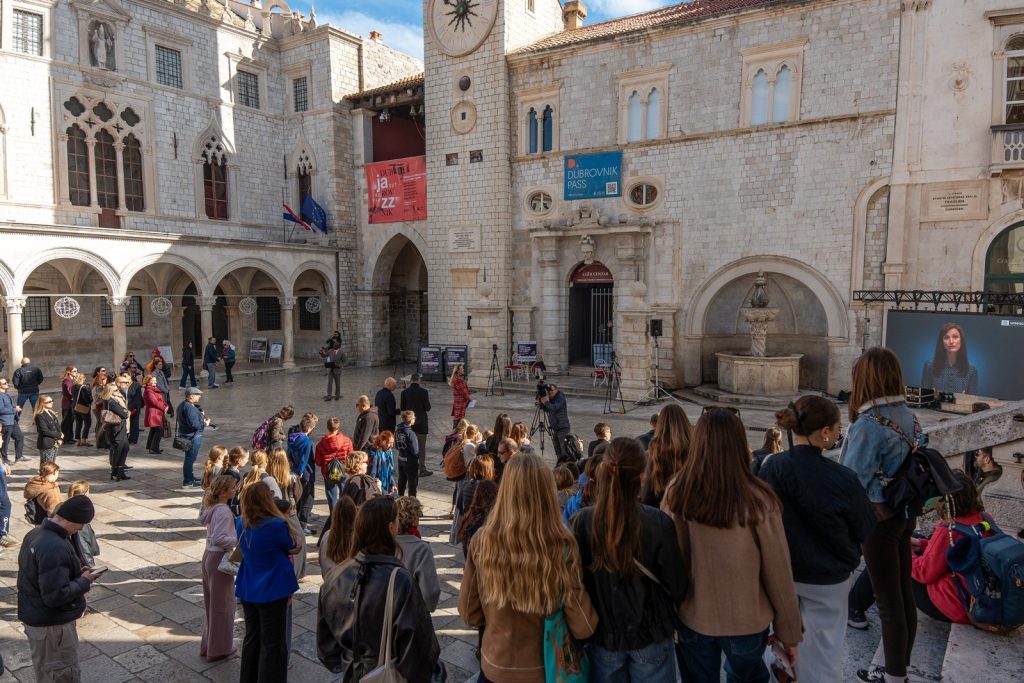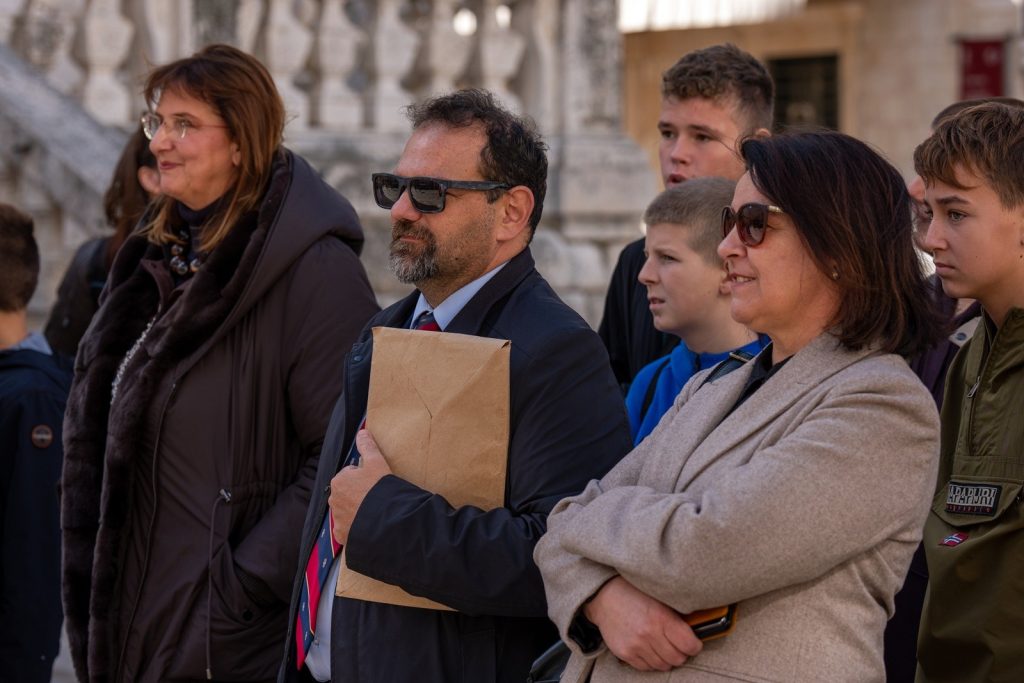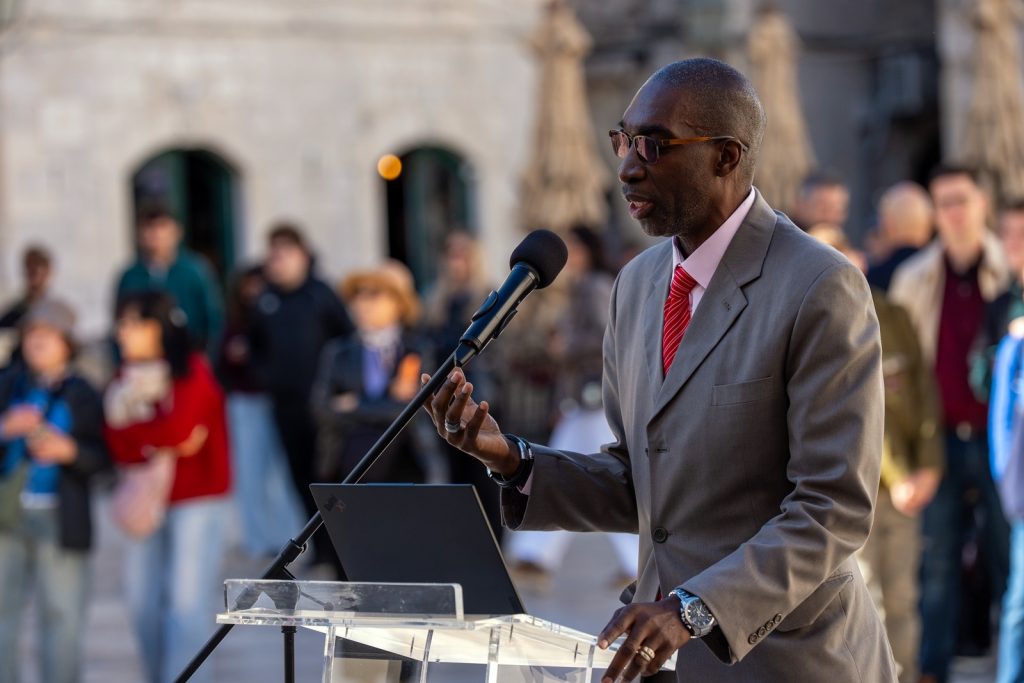

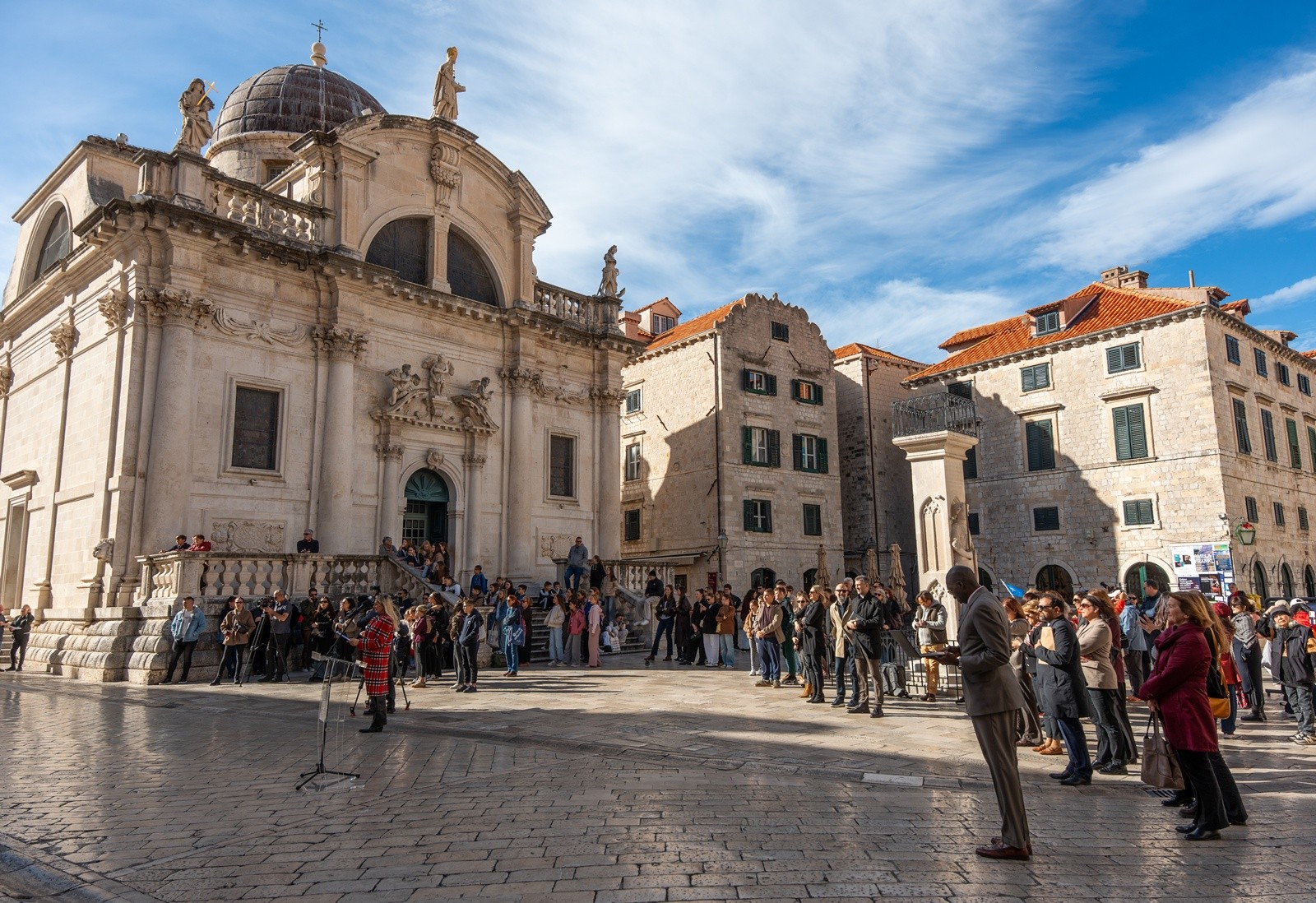
On Tuesday, November 3, 2026, Dubrovnik hosted the central global event of UNESCO’s Media and Information Literacy Cities (MIL Cities) initiative, with the University of Dubrovnik as its partner.
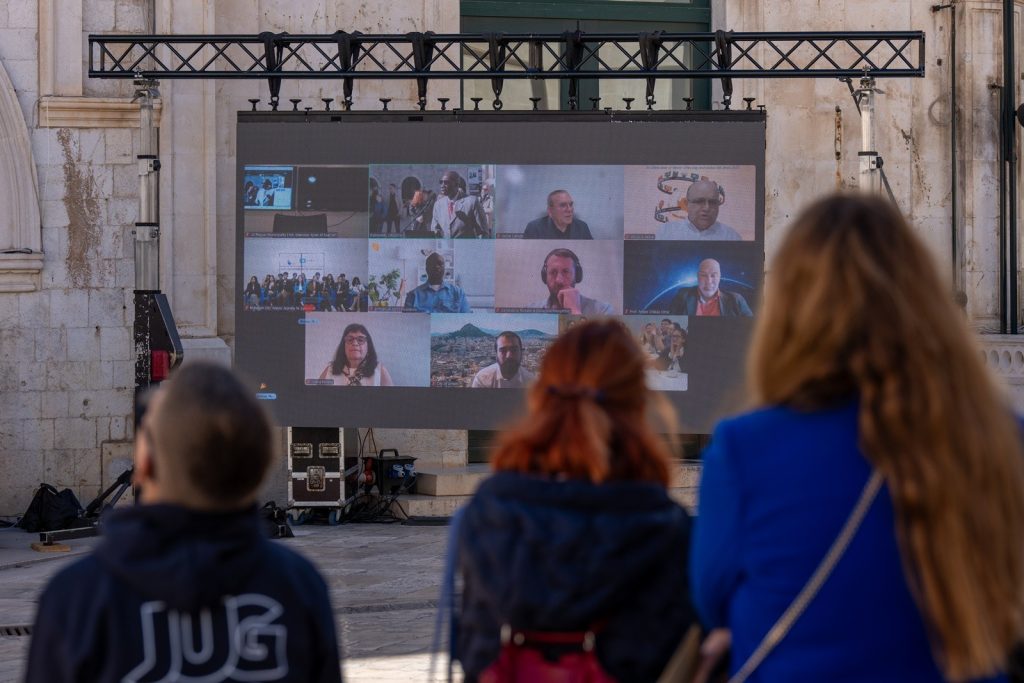
With a live link between Dubrovnik and Al Rayyan and cities from different parts of the world joining in, the initiative to develop Dubrovnik as a media and information literacy city was presented. As one of the first pilot cities of the UNESCO initiative, Dubrovnik is developing its own model that links cultural heritage, education, lifelong learning and active citizenship, with the aim of empowering citizens to think critically, check sources, recognize disinformation, and create and share information responsibly.
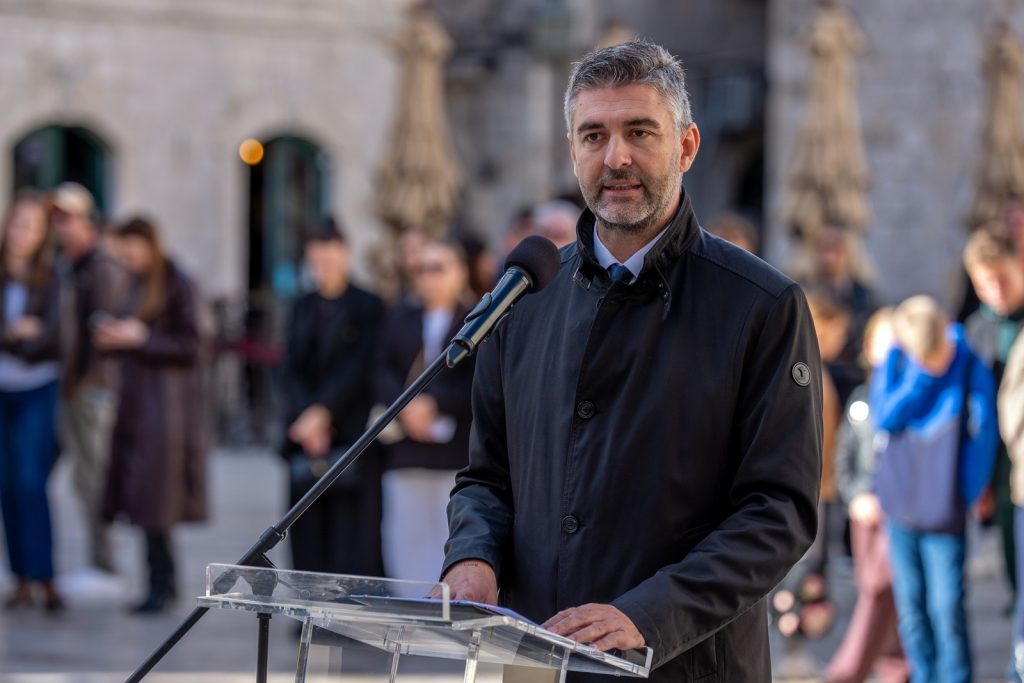
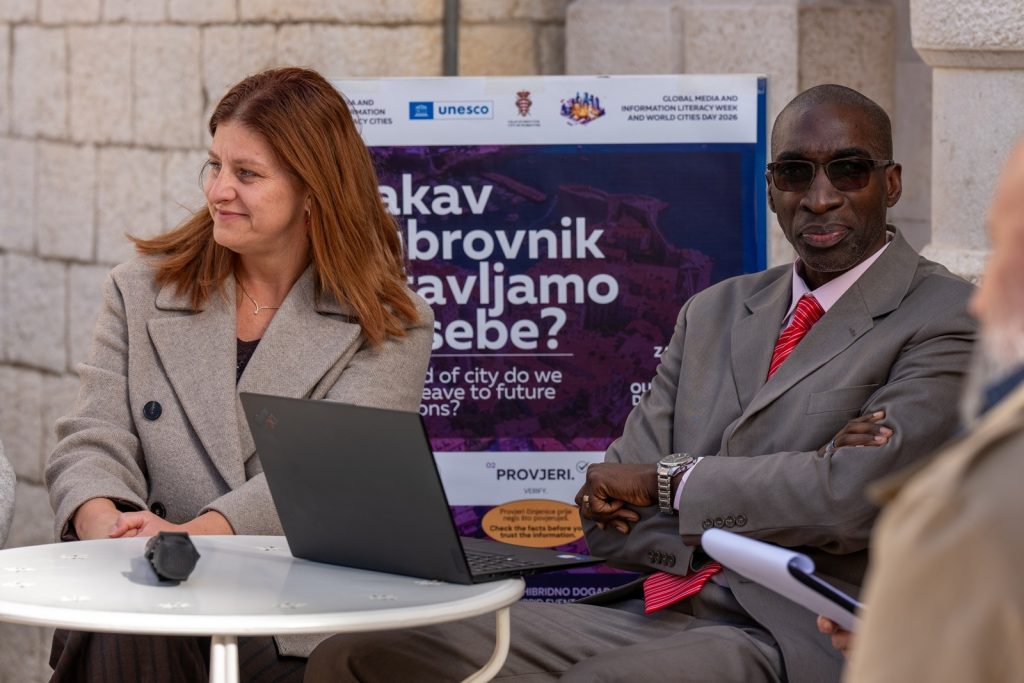
The opening part of the program featured Mariya Gabriel, UNESCO Assistant Director-General for Communication and Information; Mansour Ajraan M. A. Al-boenain, Director General of Al Rayyan Municipality; and Dubrovnik Mayor Mato Franković, who highlighted the importance of reliable information for trust and community resilience.
The international part of the program brought together representatives of Quezon City and Malabon in the Philippines, Athens in Greece, Quelimane in Mozambique, Jambi in Indonesia, Comodoro Rivadavia in Argentina and São Gonçalo do Amarante in Brazil, along with a video message from a representative of Kiel, Germany. The program on Stradun was hosted by Darija Mikulandra Žanetić, while the international segments were moderated by Alton Grizzle, UNESCO Program Specialist in Media and Information Literacy and Digital Competencies.
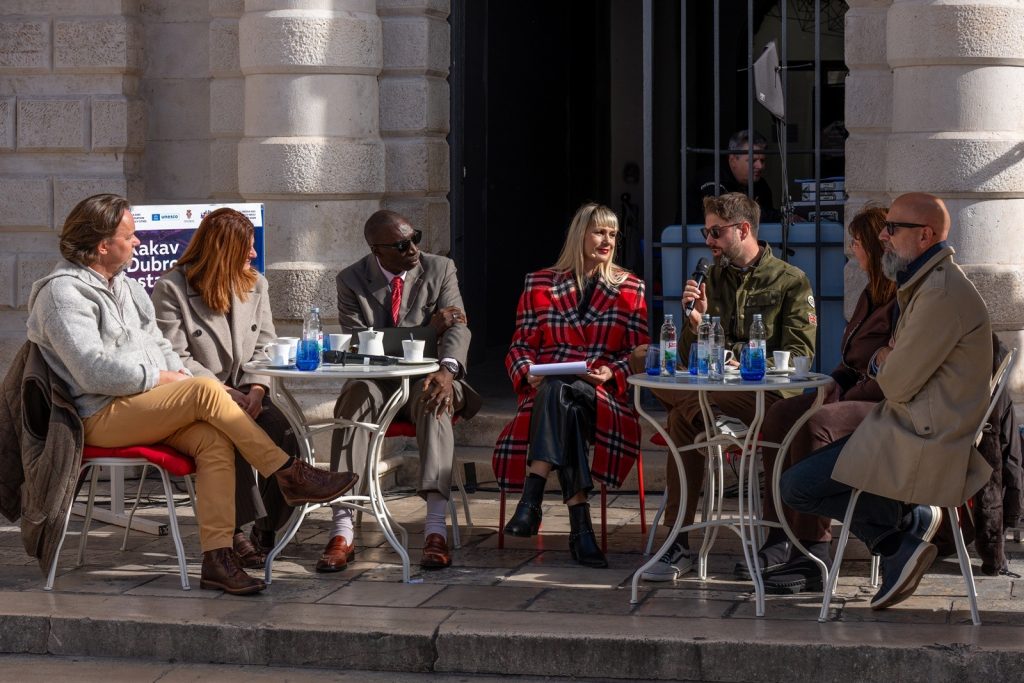
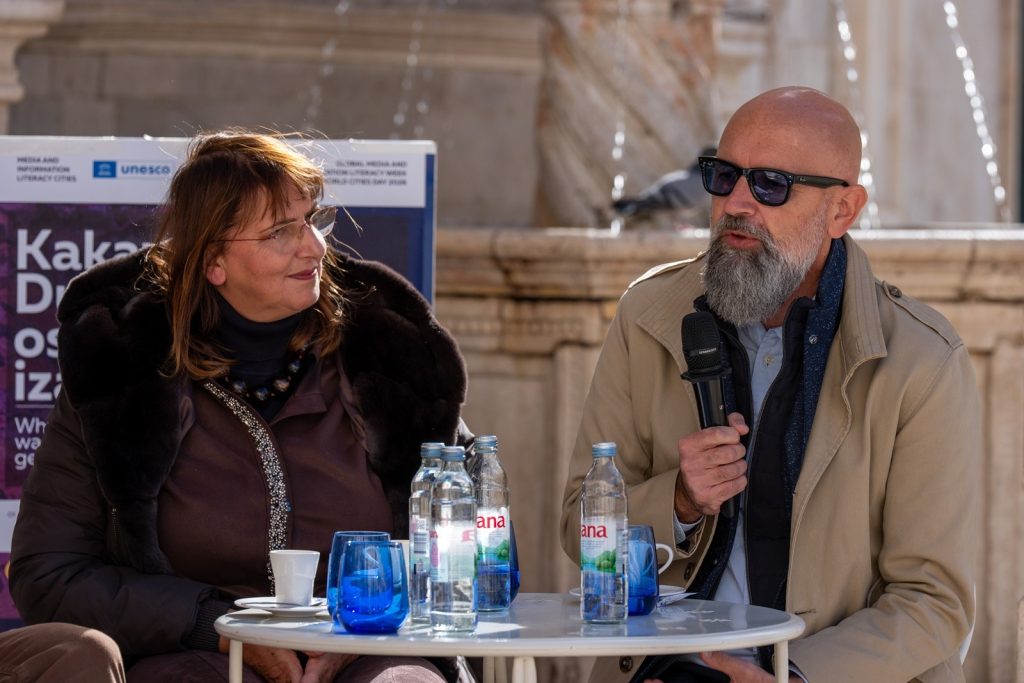
Alongside the international event, a series of educational and interactive activities for citizens, students and visitors took place on Stradun. In the game ‘Truth, Myth or Not That Simple?’ the audience checked interesting claims about Dubrovnik’s history, with explanations and reliable sources. The ‘Heritage Café’ discussion on trust, reliable information and cultural heritage featured Mato Brautović, Vice-Rector of the University of Dubrovnik and Coordinator of the Adria Digital Media Observatory (ADMO); Mihaela Skurić, Director of the Institute for the Restoration of Dubrovnik; Jelica Čučević, a Dubrovnik tour guide and representative of the local tour guide community; Mark Thomas, British journalist and editor of The Dubrovnik Times; Žarko Dragojević, Director of the Center for Children, Youth and Family Dubrovnik; and Alton Grizzle, UNESCO Program Specialist in Media and Information Literacy and Digital Competencies. Drawing on their different professional perspectives, the participants discussed the importance of checking sources, distinguishing historical facts from popular beliefs, and presenting Dubrovnik’s heritage responsibly in the media, tourism and everyday life.
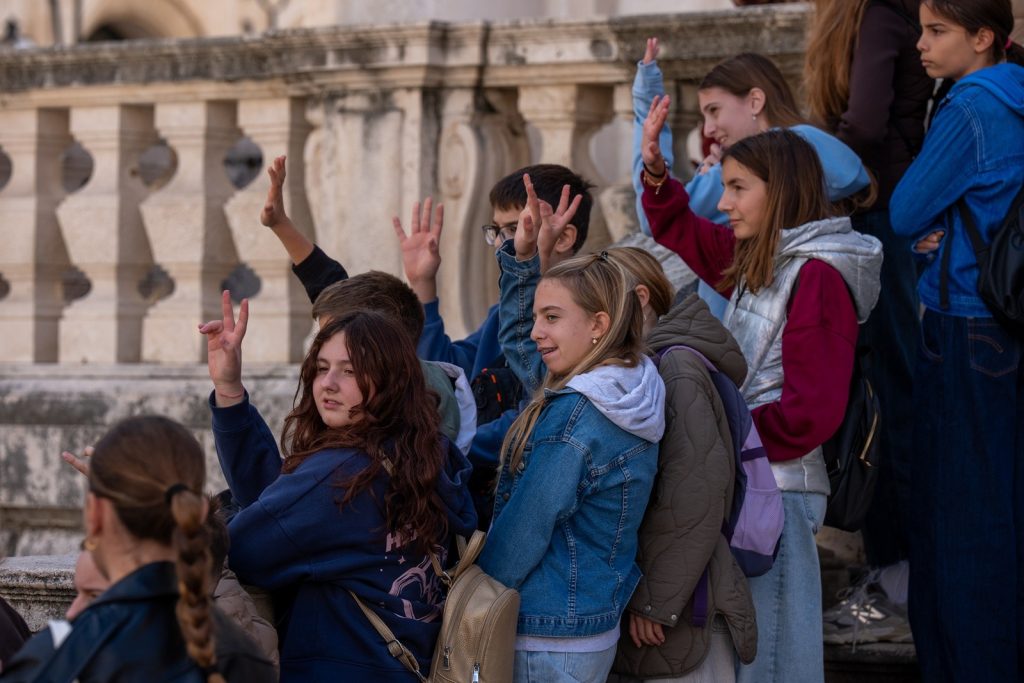
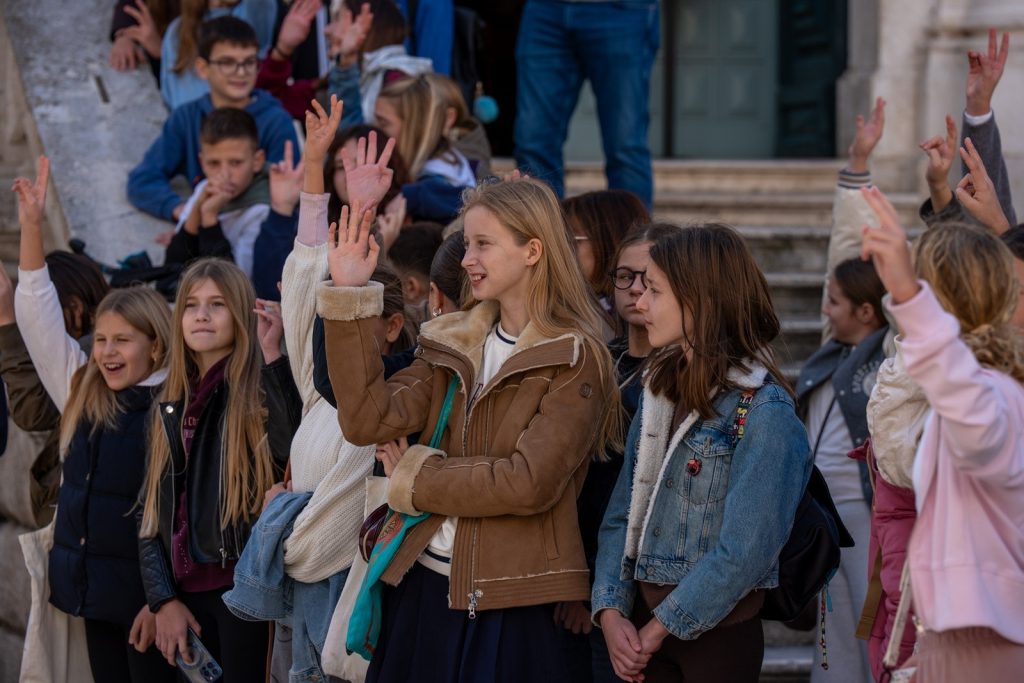
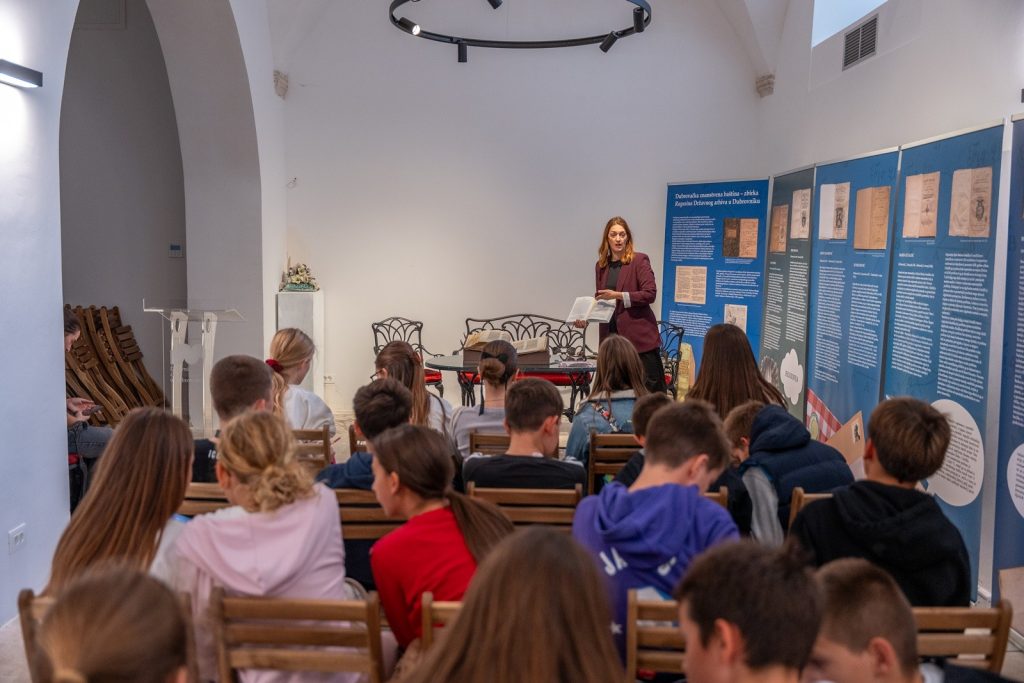
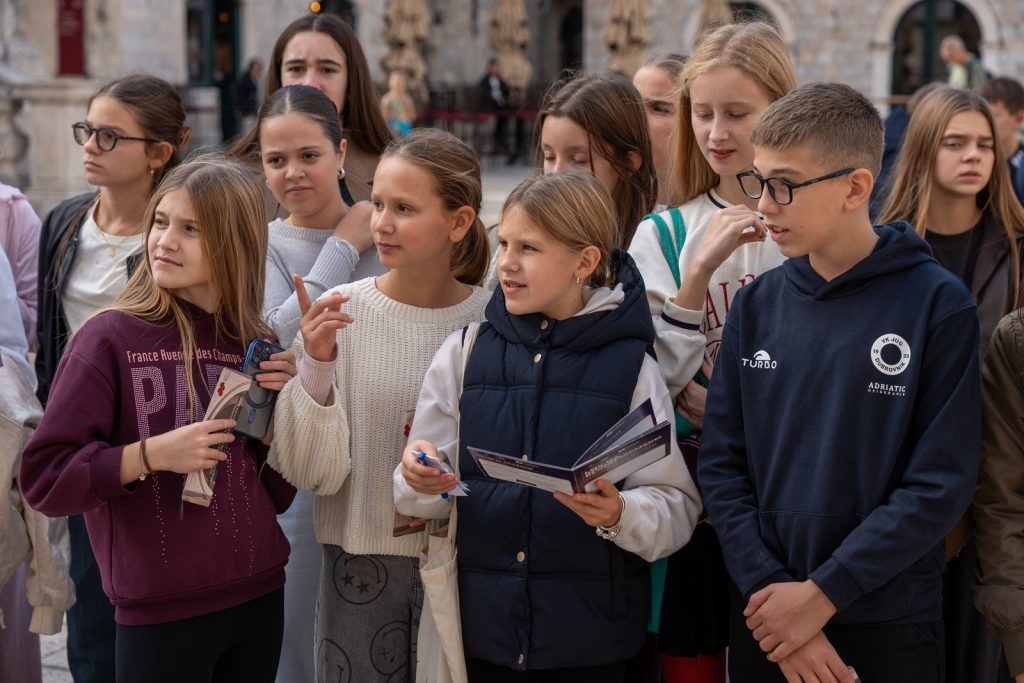
The ‘Information Treasure Hunt’ was designed for sixth-grade students from Dubrovnik’s elementary schools, with the participation of the Archaeological Museum in Fort Revelin, the Maritime Museum, the Cultural History Museum in the Rector’s Palace, the Dubrovnik Research Library and the State Archives in Dubrovnik in the Sponza Palace. Accompanied by their teachers and helped by curators, librarians and archivists, the students explored historical sources at these institutions and solved tasks to uncover a coded message from the Republic of Dubrovnik. The hunt ended with the students checking the message against the original stone inscription in the Sponza Palace, after which they read it aloud together in front of Orlando’s Column.
The interactive space ‘Black Box – Truths and Misconceptions’ invited citizens and visitors to write down what they want to preserve in Dubrovnik for future generations and the biggest misconceptions about the City they have heard. Through the digital activity ‘One Fact Worth Sharing’ institutions took part by posting verified facts about Dubrovnik and citing their sources. The program was accompanied by a City awareness campaign using posters, digital screens and public messages. The activities were prepared by the City of Dubrovnik in cooperation with the University of Dubrovnik, cultural, heritage and educational institutions, city utility and other companies, the media and other local stakeholders.
The Dubrovnik MIL City Coordination Committee, made up of 37 members from different sectors, has been established for the long-term development of the initiative. The Committee is chaired by Julijana Antić Brautović, Head of the City of Dubrovnik Administrative Department for Culture, with Romana John, Dean of the Faculty of Media and Public Relations at the University of Dubrovnik, as Deputy Chair. The Committee guides the development of the initiative, proposes strategic priorities and an action plan, and monitors the implementation of UNESCO guidelines, with operational support from a nine-member Executive Team.
The program continues on Wednesday, November 4, from 10:30 a.m. to noon at the University of Dubrovnik with a public lecture and discussion, ‘MIL Cities for Enlightened Citizens: A Mass Civic Engagement Renewing’, led by Alton Grizzle.