
From 24 to 26 October 2026, the final demonstration of the SeaClear2.0 project took place in Tarragona, Spain, hosted by project partner Tecnosub. The event marked an important milestone in the development and validation of the project’s robotic solutions for the detection and collection of marine litter.
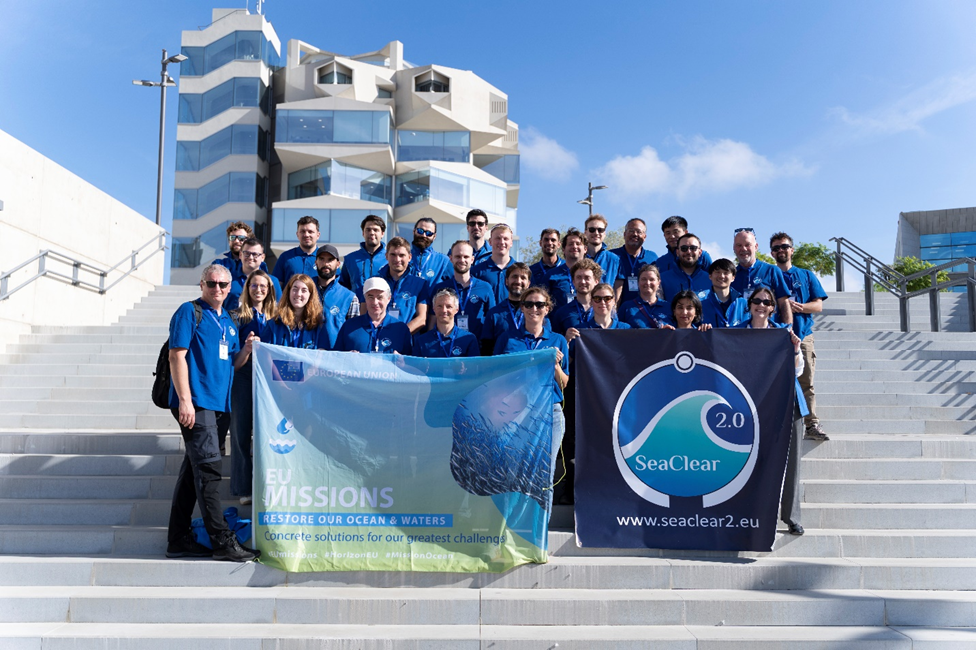
Throughout the demo activities, experts and technical teams from several consortium partners, including the Technical University of Munich (TUM), Subsea Tech, Fraunhofer CML, the, the Technical University of Cluj-Napoca, Delft University of Technology (TU Delft) and University of Dubrovnik (LARIAT), worked together to test, calibrate and further refine the system’s autonomous robotic components.
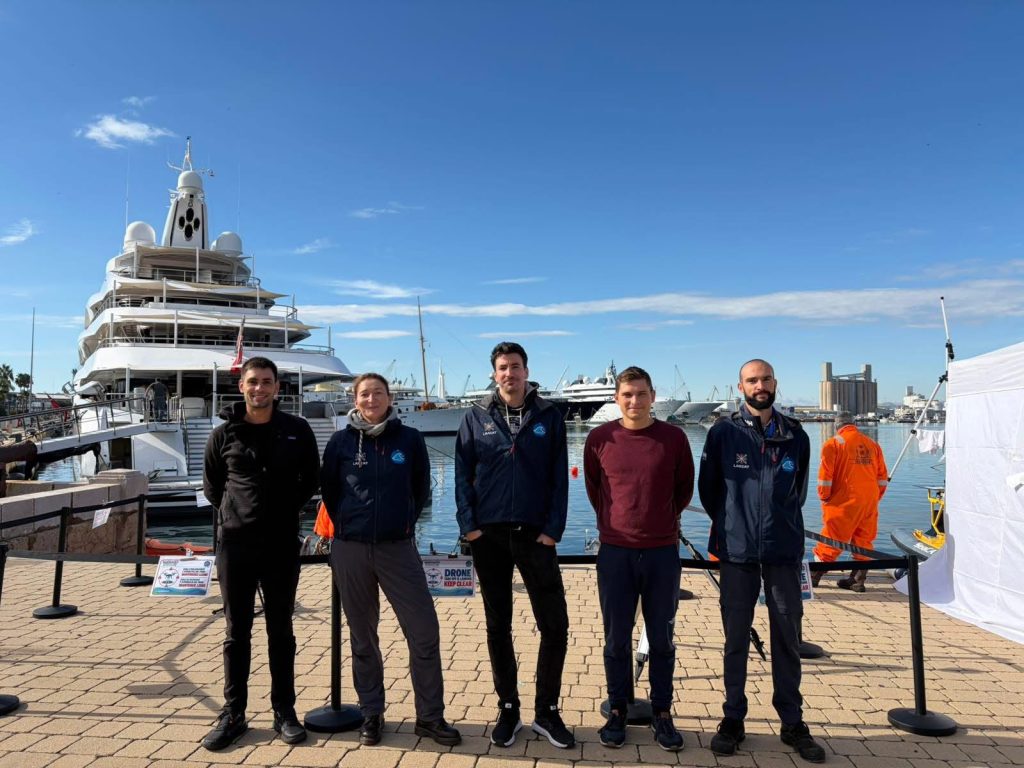
LARIAT’s team was represented by Ivana Palunko, Vicko Prkačin, Antun Đuraš, Ante Žile and Ivan Wuketich, who participated in the demonstration activities with the SeaBees and SeaHawk part of the SeaClear 2.0 system.
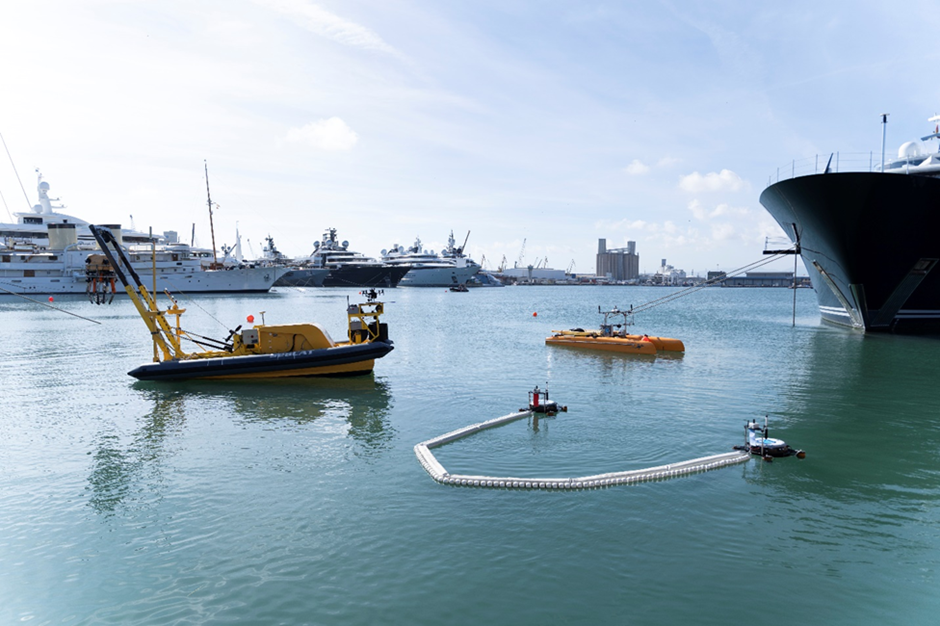
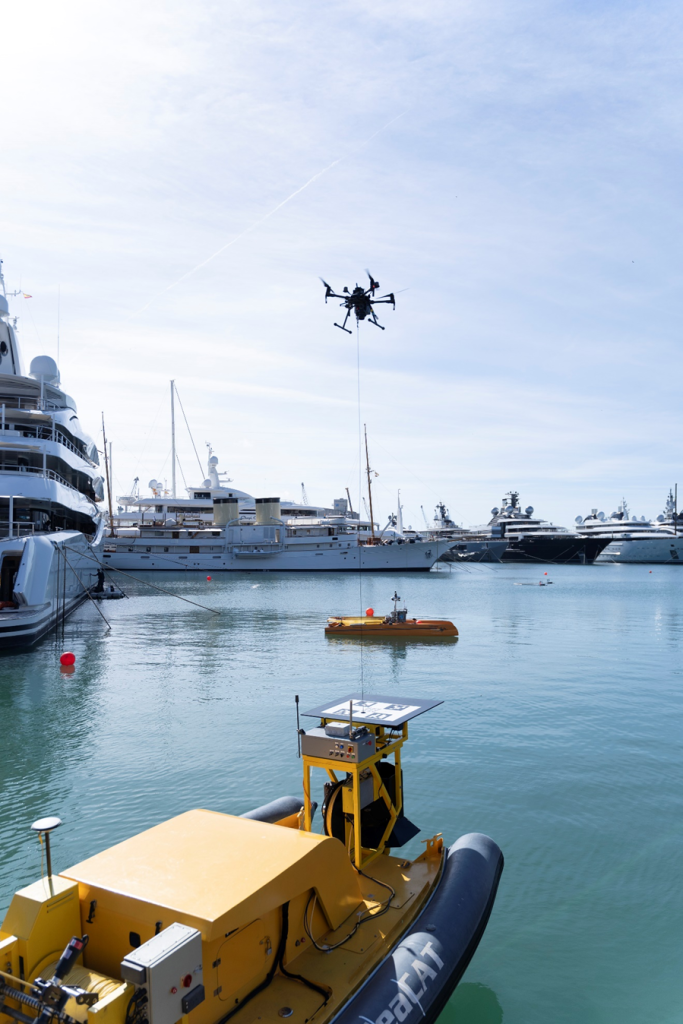
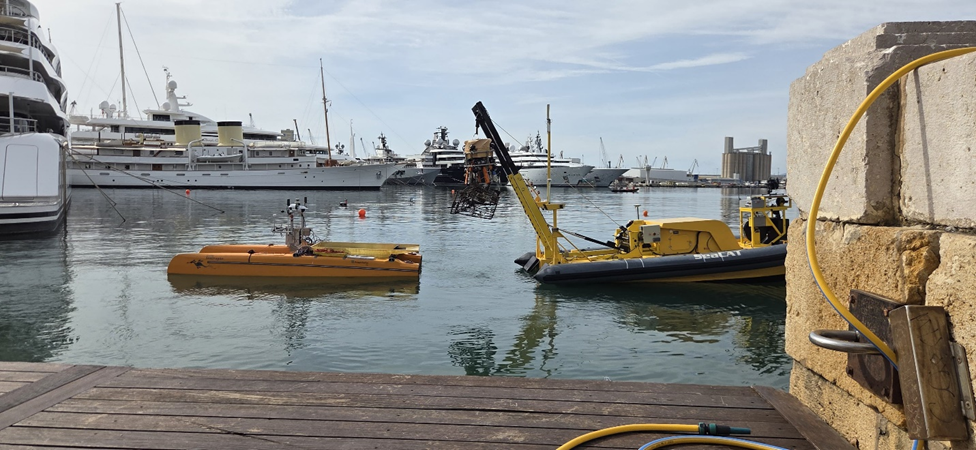
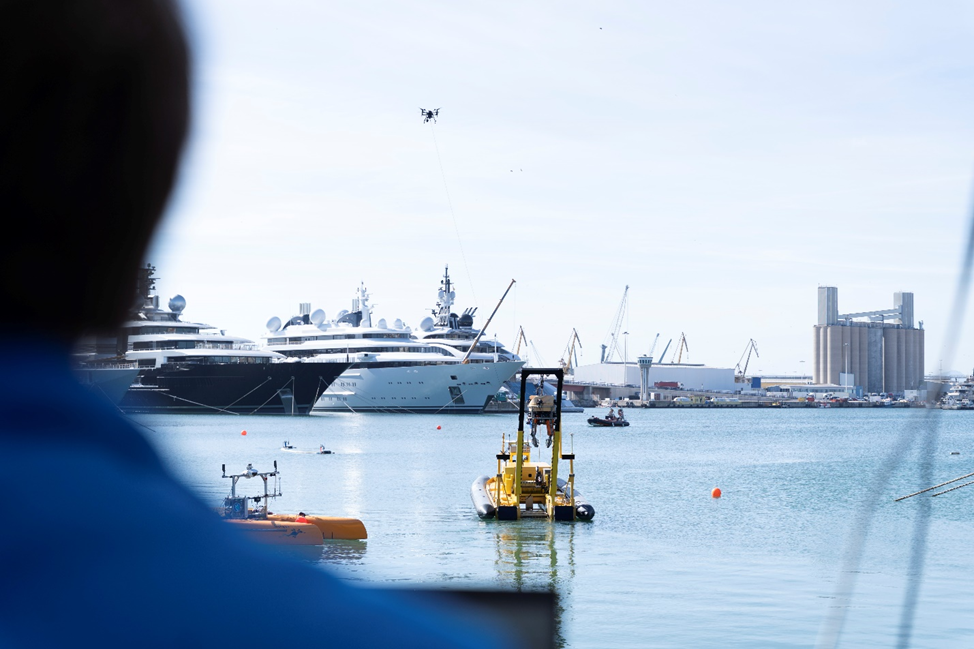
The integrated system comprises several complementary platforms operating in coordination: SeaCat, the unmanned surface vehicle (USV) serving as the mothership; SeaDragon, designed for transporting collected marine litter; SeaBees, a fleet of smaller unmanned surface vehicles developed for collecting floating litter; SeaHawk, an aerial drone system; a smart robotic grapple mounted on SeaCat; and mini-Tortuga, a compact underwater remotely operated vehicle (ROV). All components are coordinated through a centralized Operators’ Station, which enables integrated system monitoring, control and coordination.
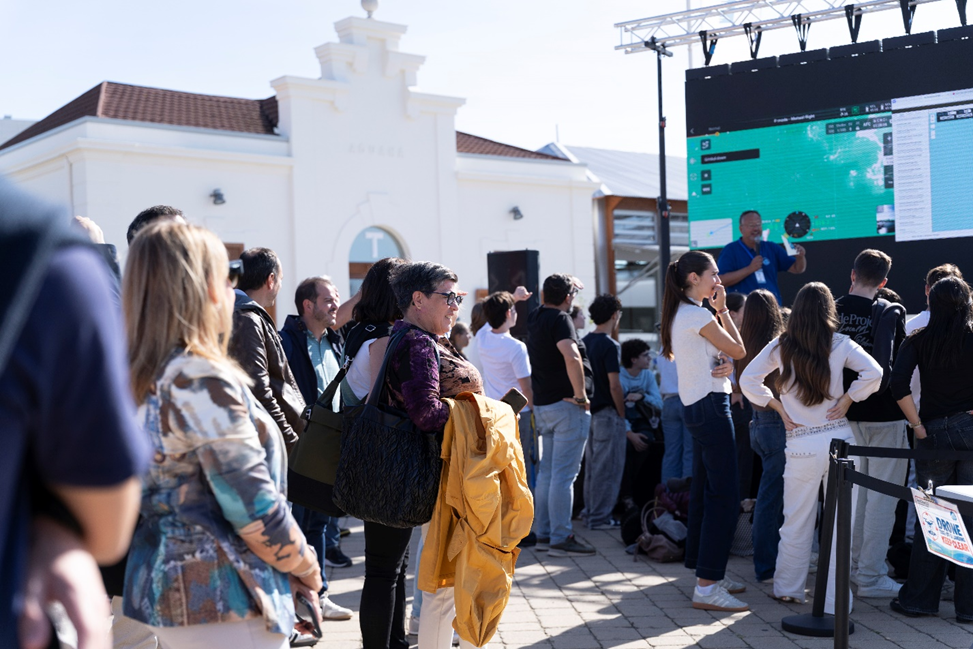
On 24 October, the programe featured a public engagement and marine cleanup activity organised by Tecnosub in cooperation with PlasticFREEwave. Alongside the community cleanup, the SeaClear2.0 system was presented to the public and media, demonstrating how advanced marine robotics can contribute to addressing marine litter while encouraging public participation in environmental protection.
The main technical demonstration took place on 26 October, showcasing the capabilities of the SeaClear2.0 robotic system in real marine conditions. The LARIAT team contributed to the demonstration through the deployment and operation of the SeaBees and SeaHawk systems, highlighting the technological solutions developed and integrated within the project.
The day also included an Industry Presentation and Policy Workshop, organised by Isotech Ltd and Tecnosub, which brought together 15 participants representing public authorities, environmental agencies, academia, tourism, engineering and marine services. The workshop provided an opportunity to exchange knowledge and perspectives on marine litter management and discuss the role of innovative technological solutions in addressing this environmental challenge.
As the SeaClear2.0 project approaches its conclusion, its results represent an important advancement in the application of autonomous robotics and artificial intelligence to marine litter detection and removal. Building on the foundations of the original SeaClear project, SeaClear2.0 has developed an integrated fleet of autonomous aerial, surface and underwater robotic systems capable of working collaboratively to map the seabed, detect and classify marine litter, retrieve underwater debris and collect floating waste. Through demonstrations and pilot activities in several European locations, including Hamburg, Cyprus, Marseille, Dubrovnik and Tarragona, the consortium has validated system components and their coordinated operation under diverse environmental conditions. These achievements provide an important technological foundation for future applications of autonomous systems in marine environmental monitoring and litter remediation, contributing to the broader objectives of the EU Mission: Restore our Ocean and Waters.
Funded under the European Union’s Horizon Europe programe, SeaClear2.0 builds on the results of the original SeaClear project and addresses the growing challenge of marine litter through the development of an integrated, autonomous approach to waste detection and removal in coastal and port environments. By combining marine robotics, artificial intelligence, autonomous navigation and environmental research with public engagement and policy development, the project aims to provide innovative and sustainable solutions for protecting marine ecosystems.
Coordinated by Delft University of Technology, the SeaClear2.0 consortium brings together 13 partners from nine countries, combining expertise in autonomous systems, marine engineering, environmental research, marine operations and circular economy strategies.
The University of Dubrovnik, through its interdisciplinary team at LARIAT, led by Prof. Ivana Palunko, plays an important role in the project through the development of the SeaBees and SeaHawk robotic subsystems, as well as contributions to ecological assessments. These activities support the evaluation of the system’s technological capabilities and environmental impact, contributing to its overall sustainability and potential for future application.