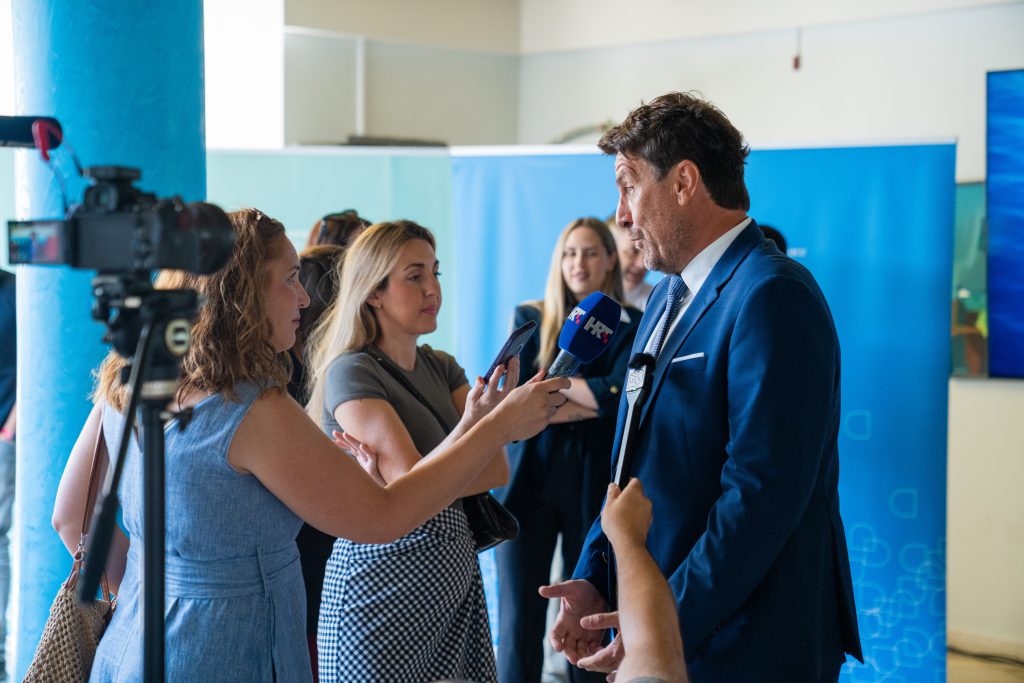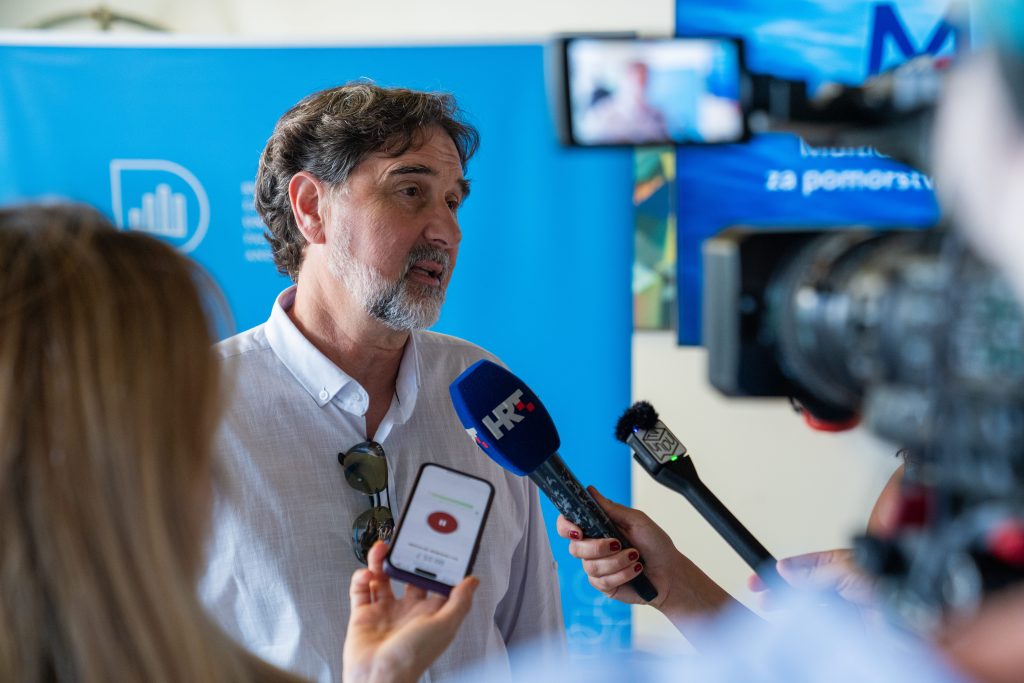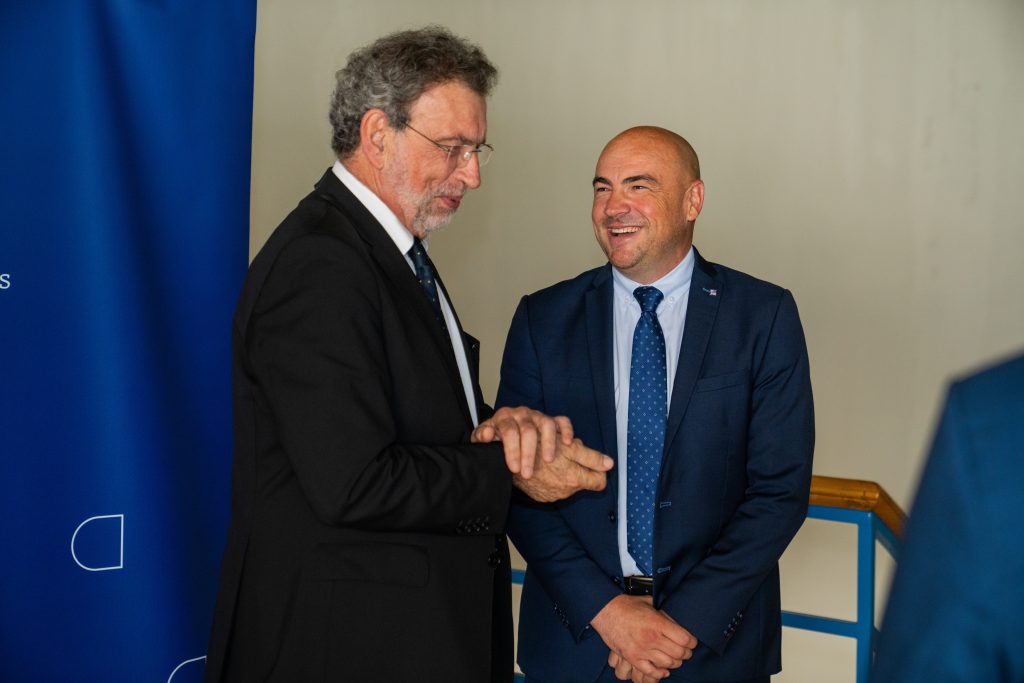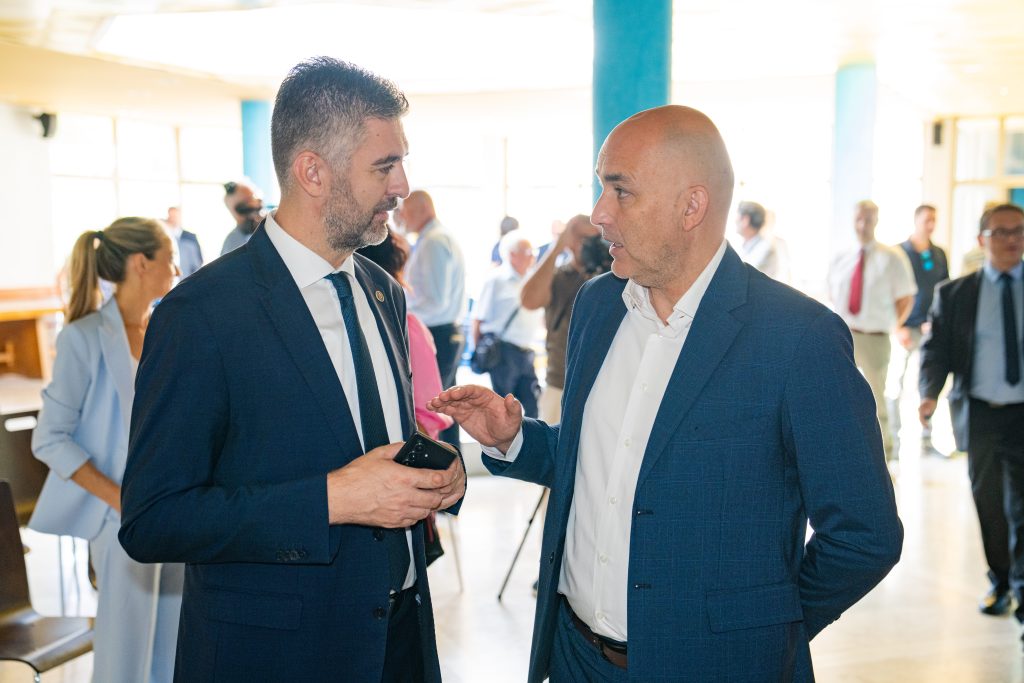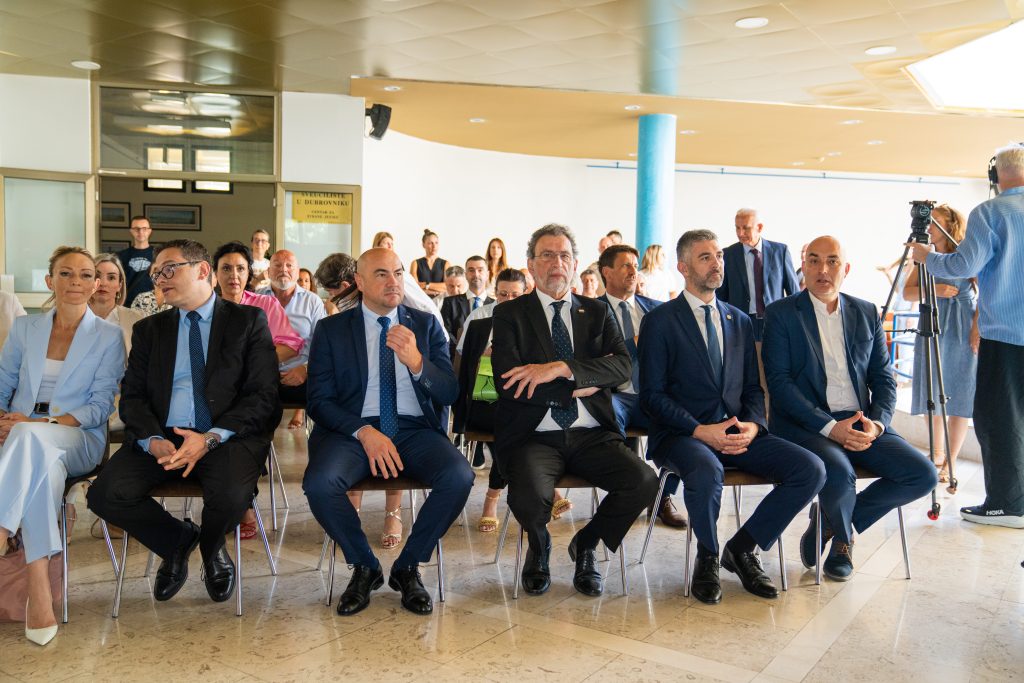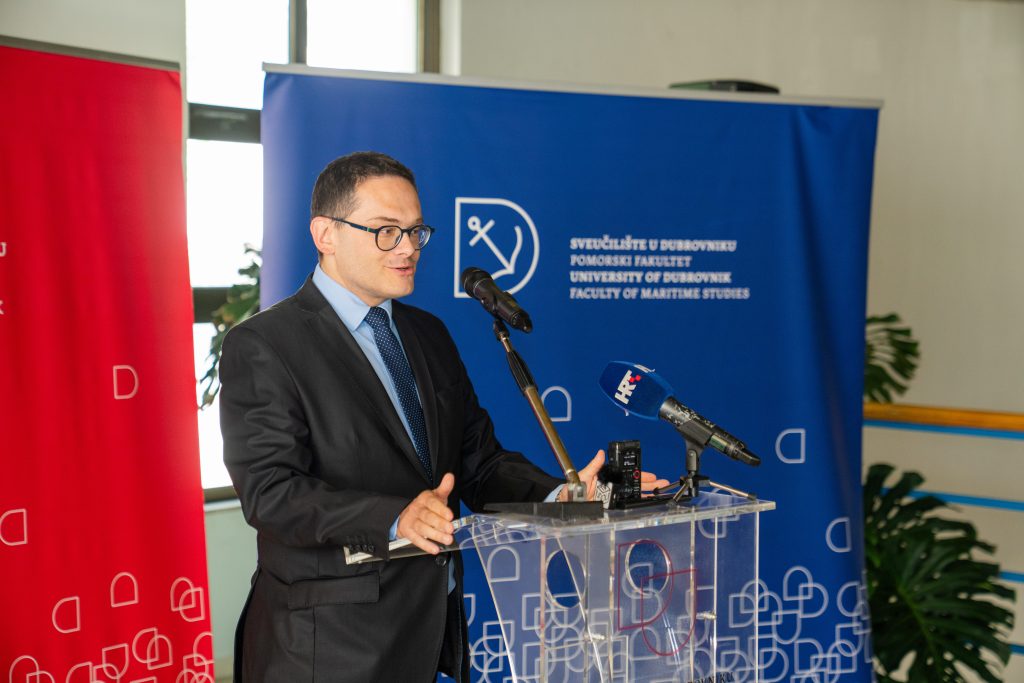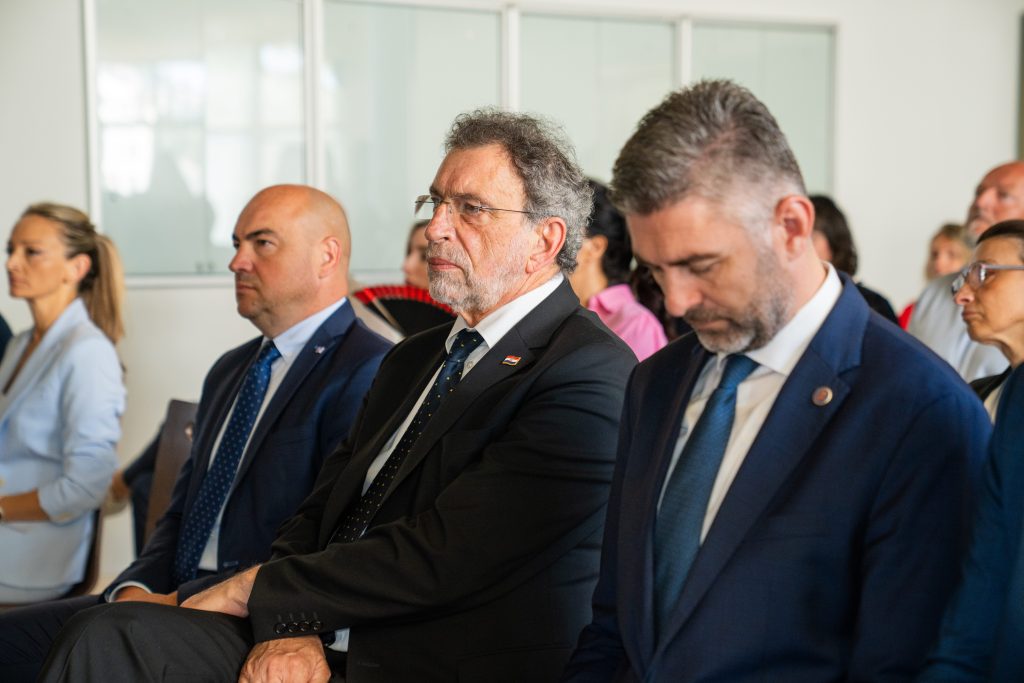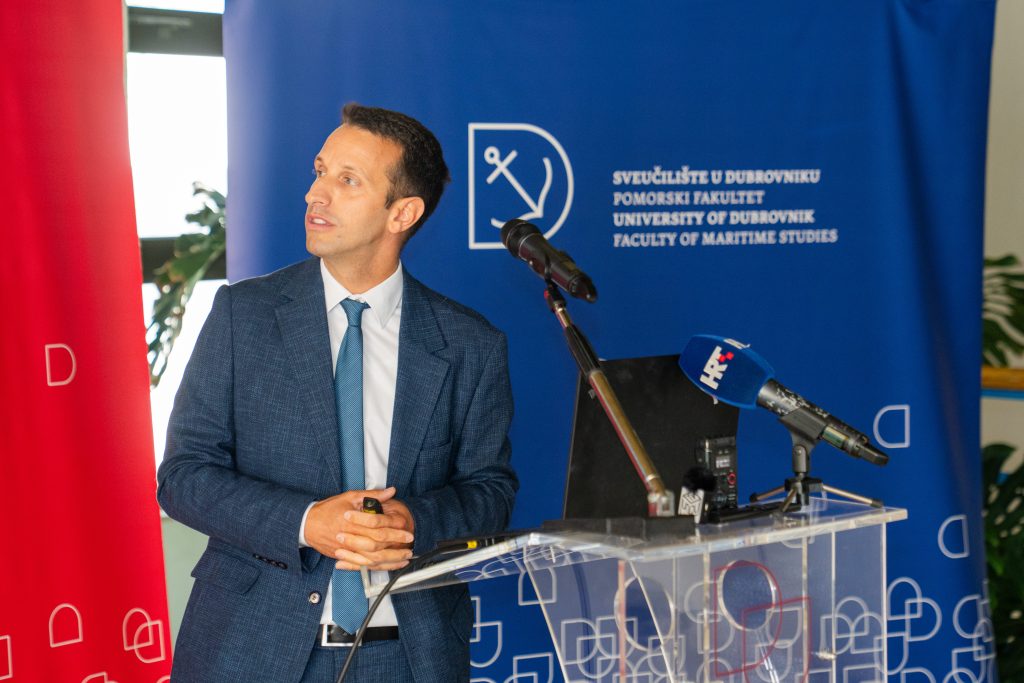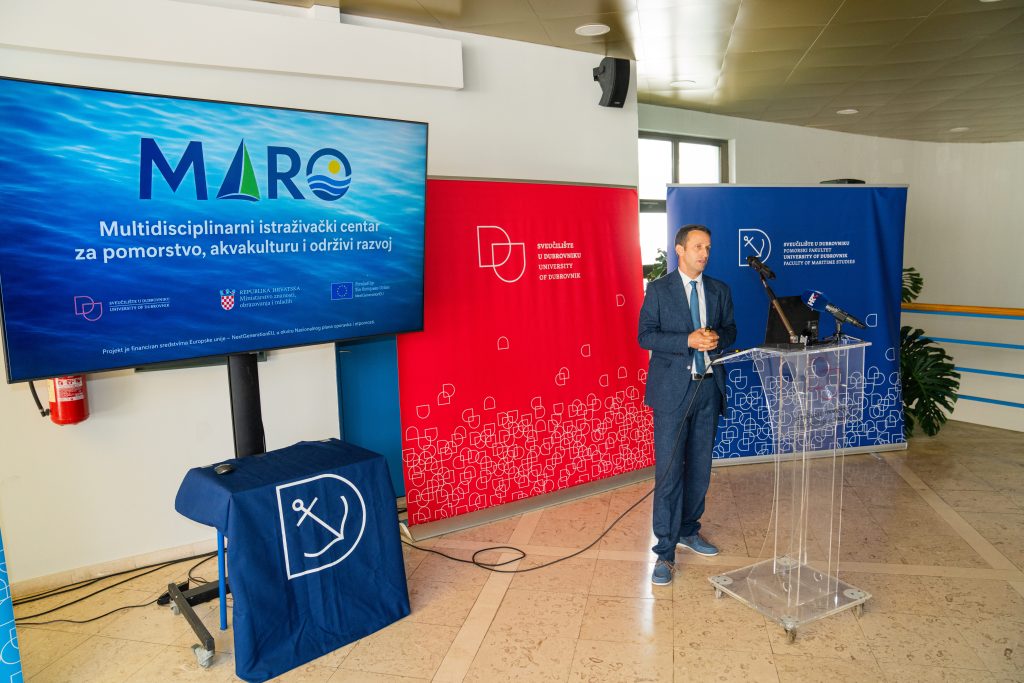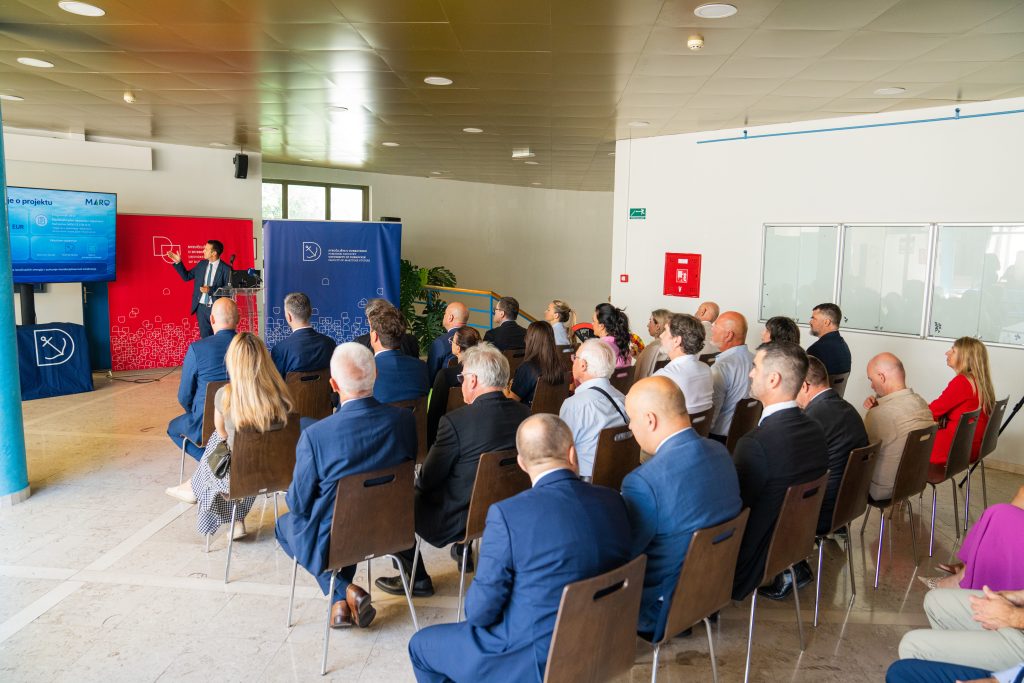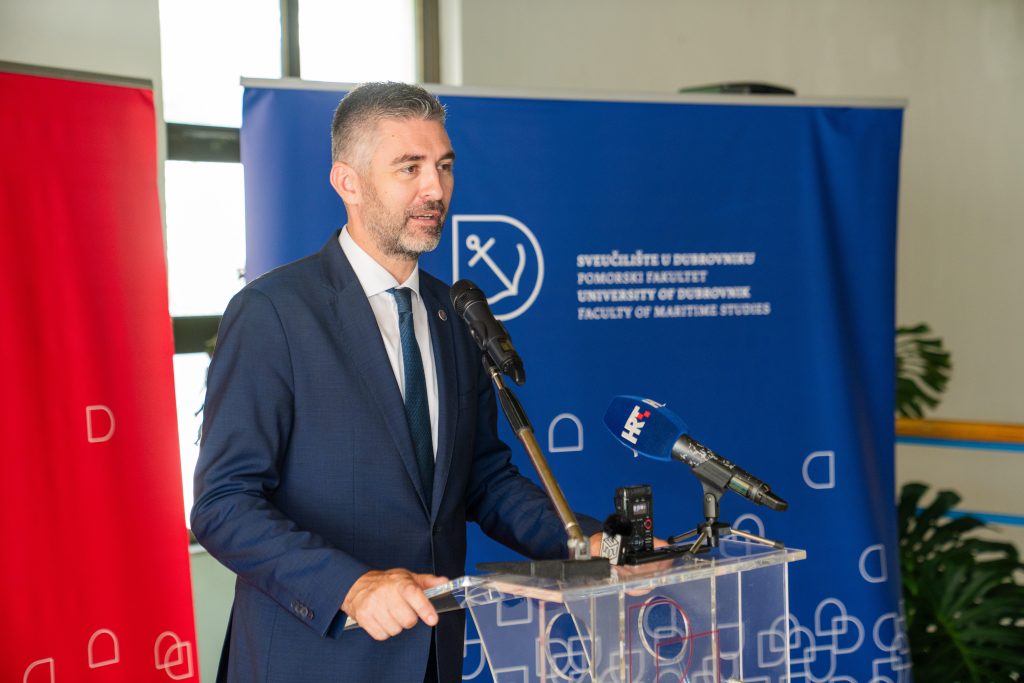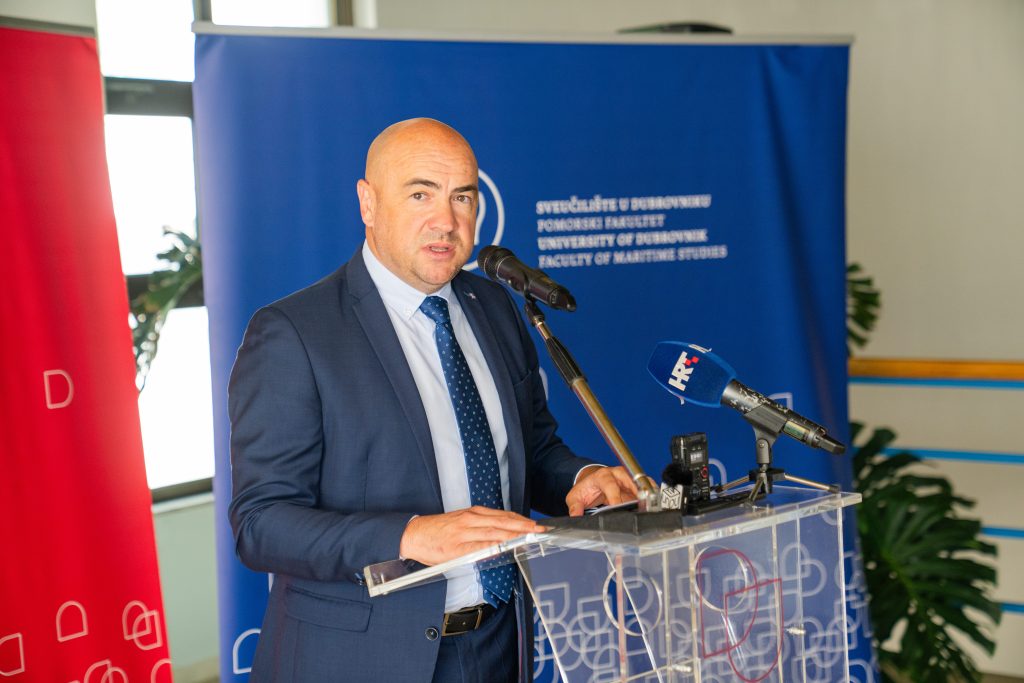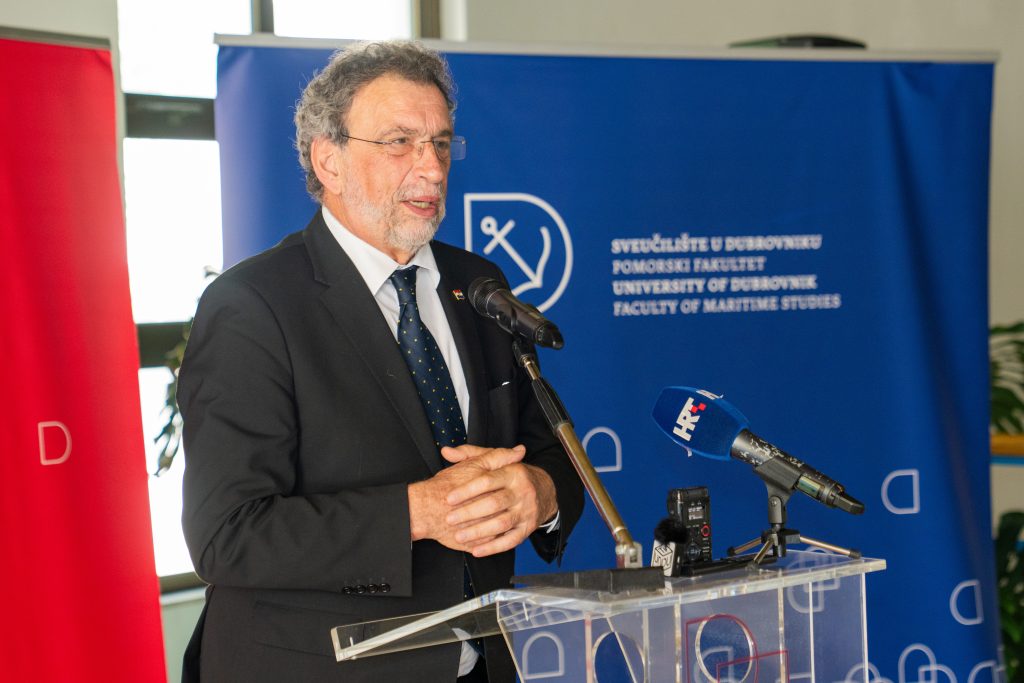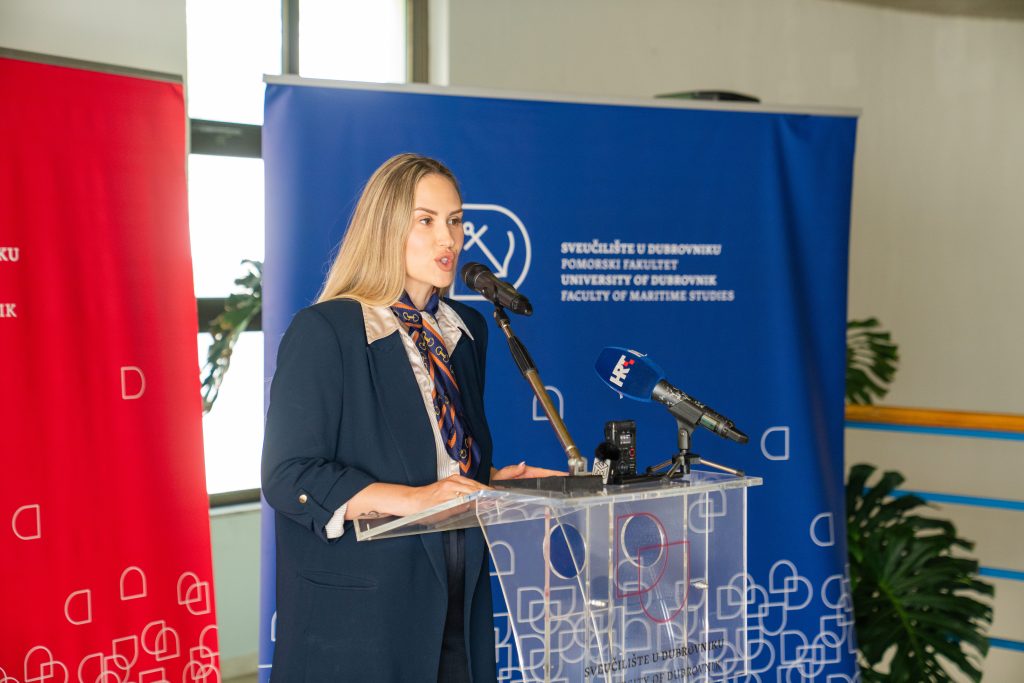

On 10 July 2026, the University of Dubrovnik formally presented the results of the project “Multidisciplinary Research Centre for Maritime Studies, Aquaculture and Sustainable Development – MARO” at the Faculty of Maritime Studies. The project has significantly enhanced the University’s research and innovation infrastructure in the fields of maritime studies, aquaculture, marine environmental protection, behavioural research and sustainable development.
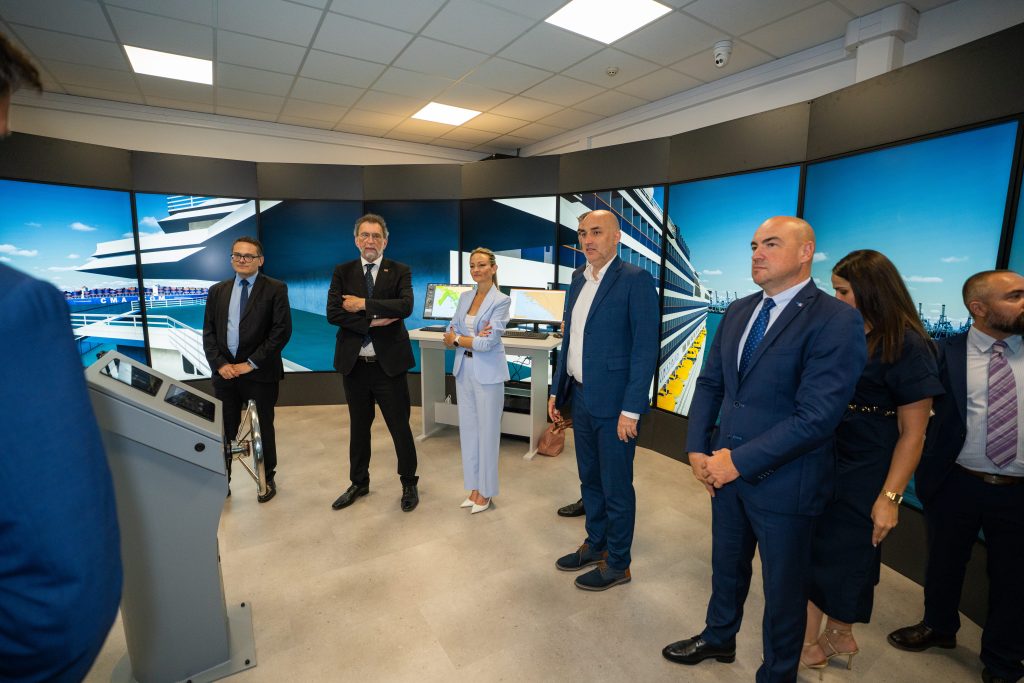
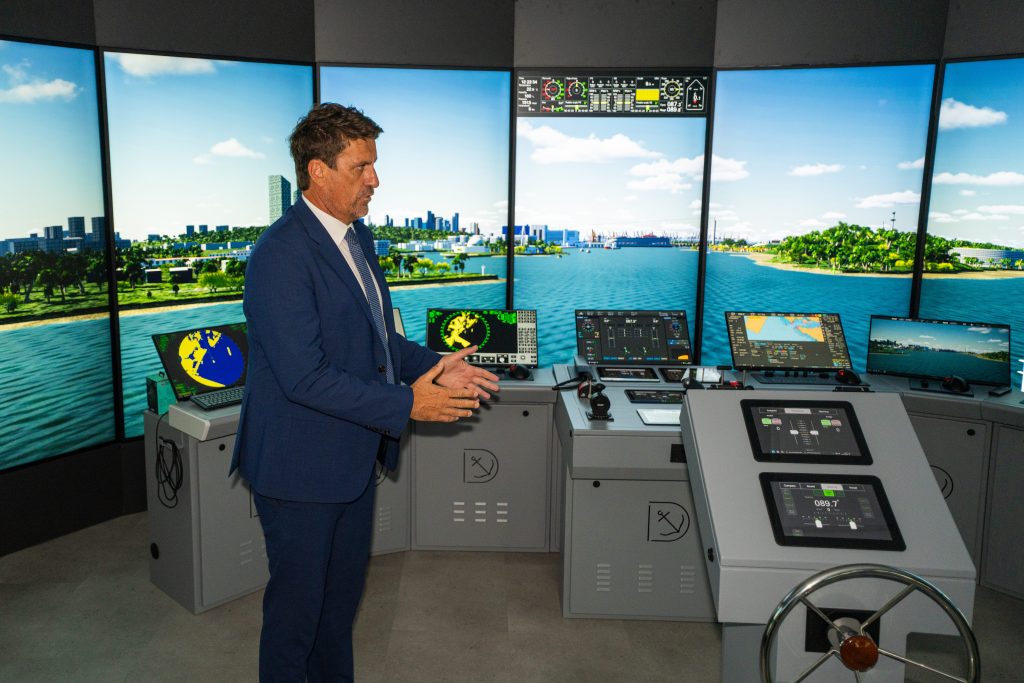
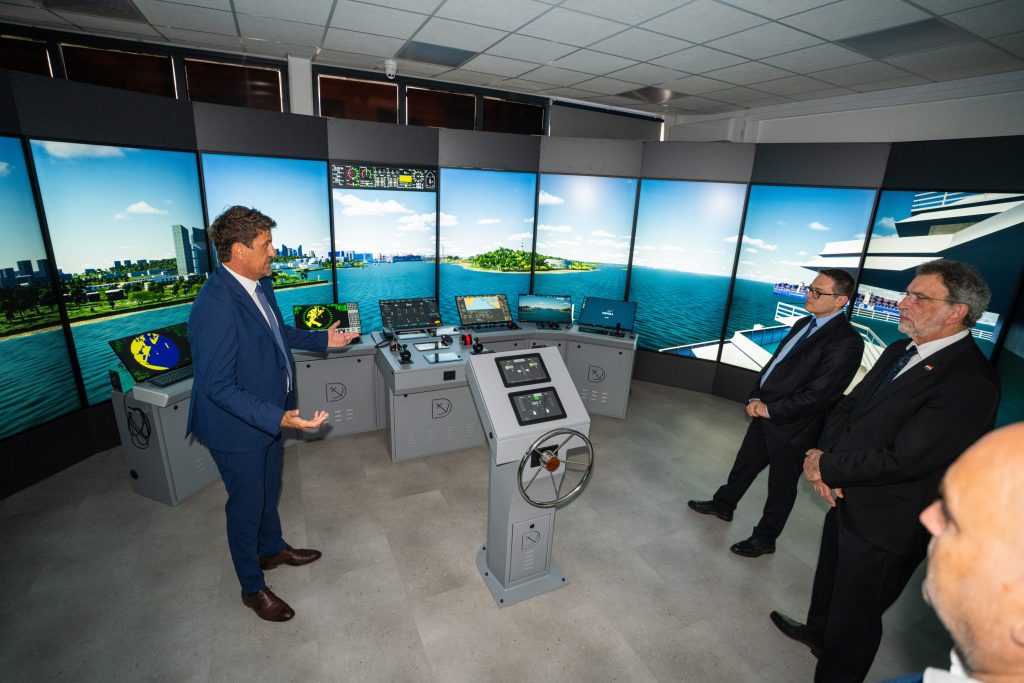
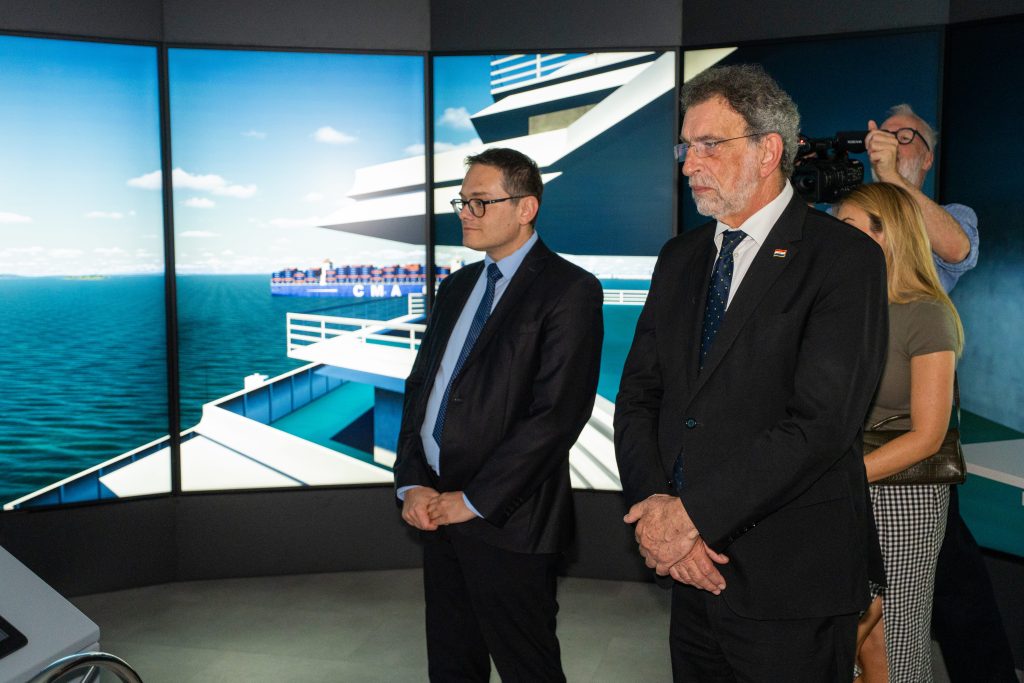
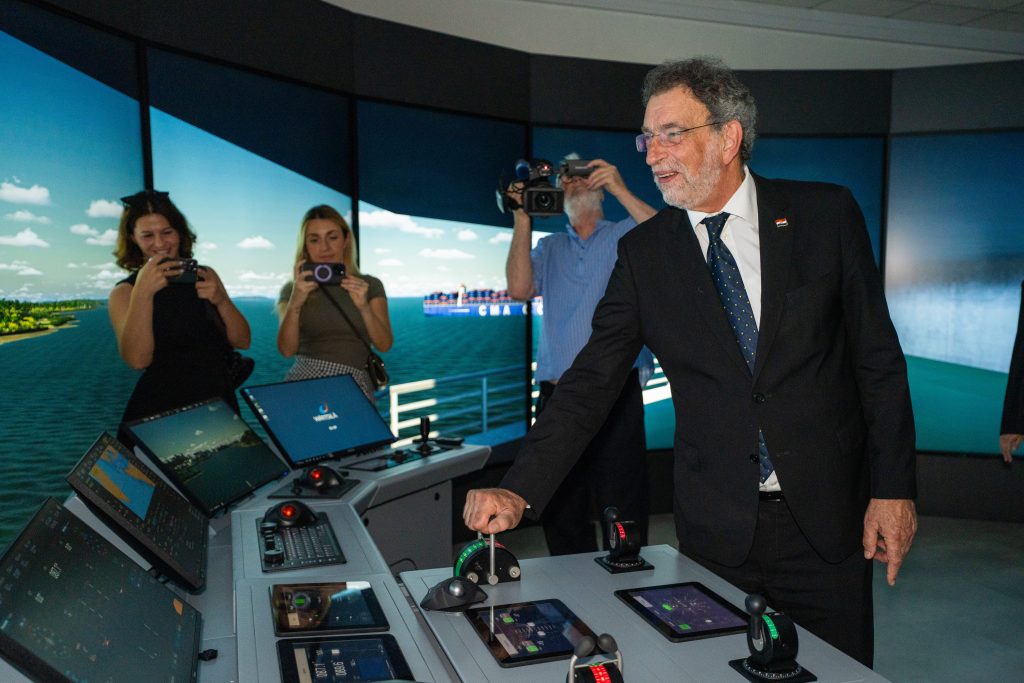
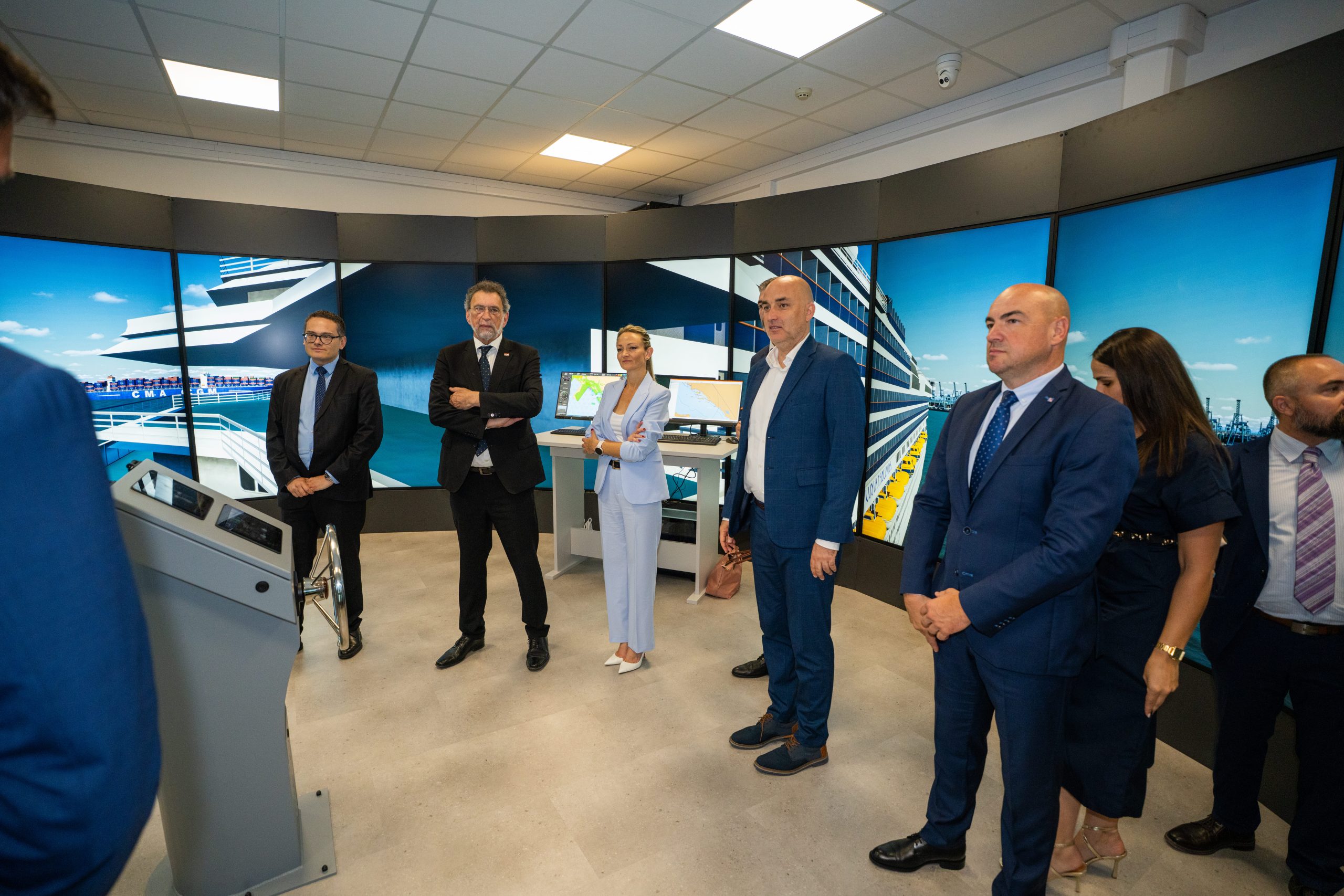
The central part of the ceremony was the launch of a new-generation integrated nautical simulator, one of the most advanced simulators of its kind in Croatia. The simulator was officially launched by the Minister of Science, Education and Youth, Prof. Radovan Fuchs, PhD, the Mayor of the City of Dubrovnik, Mato Franković, the Prefect of Dubrovnik-Neretva County, Blaž Pezo, and the State Secretary at the Ministry of Science, Education and Youth, Iva Ivanković.
The MARO project was implemented with EUR 872,000 in non-repayable funding secured through the National Recovery and Resilience Plan, under the call “Investment in the Equipment and Adaptation of Research and Innovation Infrastructure” issued by the Ministry of Science, Education and Youth. The funding award recognised both the quality of the project proposal and the strategic importance of investing in the research and innovation capacities of the University of Dubrovnik.
The MARO project forms part of the University of Dubrovnik’s broader research and development momentum. In the 2025/2026 academic year, the University is implementing 54 active and contracted projects with a total value of EUR 62.2 million, of which EUR 9.7 million represents the contracted value allocated to the University. Within this context, the establishment of the MARO Centre represents a natural step forward in connecting existing knowledge, equipment, research teams and international partnerships, as well as in creating a shared platform for new interdisciplinary research.
The project included the procurement of a new-generation integrated nautical simulator and an ultra-high-performance liquid chromatography system with a mass detector, the upgrade of a diesel engine emissions measurement system, and the development of a facility for behavioural and neuroscientific research within the Centre for Affective Computing. MARO therefore represents a new research platform at the University, connecting maritime studies, aquaculture, marine ecology, sustainable development, digital technologies and the study of human behaviour.
The new equipment will enable navigation simulations and testing under controlled conditions, the examination of new propulsion solutions, the analysis of emissions and environmental impacts, research into seawater quality and aquaculture products, and the application of behavioural and neuroscientific methods in studies of human-technology interaction. The project’s particular value lies in its interdisciplinary nature and in the fact that it is being developed in Dubrovnik, a city and region strongly connected to the sea, maritime affairs, tourism, sustainable resource management and international cooperation.
“Today, the University of Dubrovnik is implementing 54 active and contracted projects with a total value exceeding EUR 62 million, confirming its increasingly important role within the Croatian and European research landscape. Our particular advantage lies in operating in an environment naturally connected to the sea, maritime affairs, sustainable development and international cooperation. The MARO project further strengthens these advantages and demonstrates that the University of Dubrovnik possesses the knowledge, capacities and ambition to develop projects that are relevant not only to the academic community, but also to the economy and society as a whole,” said the Rector of the University of Dubrovnik, Prof. Nebojša Stojčić, PhD.
The project manager, Assistant Professor Miho Klaić, PhD, emphasised that the new infrastructure would have a long-term impact on the University’s research, teaching and development activities.
“Thanks to the funding approved by the Ministry, the University of Dubrovnik has further strengthened its capacities for conducting research, educating future professionals and developing innovative solutions that respond to the challenges facing the modern maritime sector and the sustainable use of marine resources. The project will contribute to the development of new research projects, the strengthening of international cooperation and the more effective transfer of knowledge and technology to the business and public sectors,” said Assistant Professor Klaić.
With the completion of the MARO project, the University of Dubrovnik has made an important step forward in the development of its scientific and research infrastructure. The new equipment and laboratory capacities will enable higher-quality research and teaching, the development of international partnerships and stronger cooperation with the business and public sectors, while making a particular contribution to the advancement of maritime studies, aquaculture, marine ecology and the sustainable management of marine resources.
Investments implemented through the National Recovery and Resilience Plan confirm the importance of continuous support for the development of scientific and research infrastructure in the Republic of Croatia. They also underline the importance of investing in regional universities, which contribute to the development of local communities and the national scientific and educational landscape through their knowledge, projects and international cooperation.