
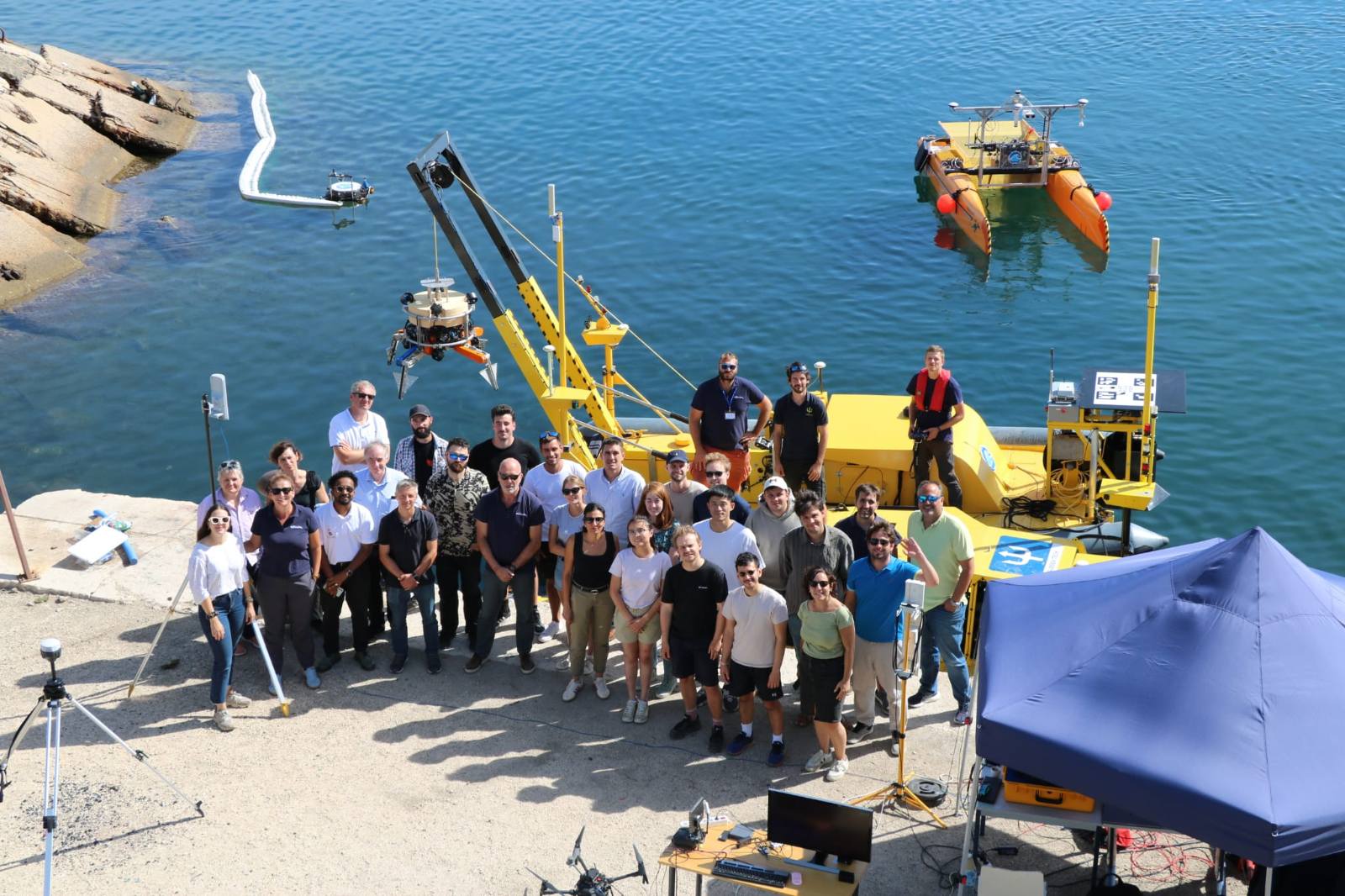
The SeaClear 2.0 project, the largest European initiative focused on developing autonomous robotic systems for detecting and removing marine litter from the seabed, with project partners including the Laboratory for Intelligent Autonomous Transport Systems (LARIAT) at the University of Dubrovnik, has received significant international recognition after being featured by CNN, one of the world’s leading news outlets. CNN’s report highlights a technological innovation that could transform the way we clean the most sensitive marine areas and underscores the global importance of developing solutions to combat ocean pollution caused by plastic and other underwater waste.
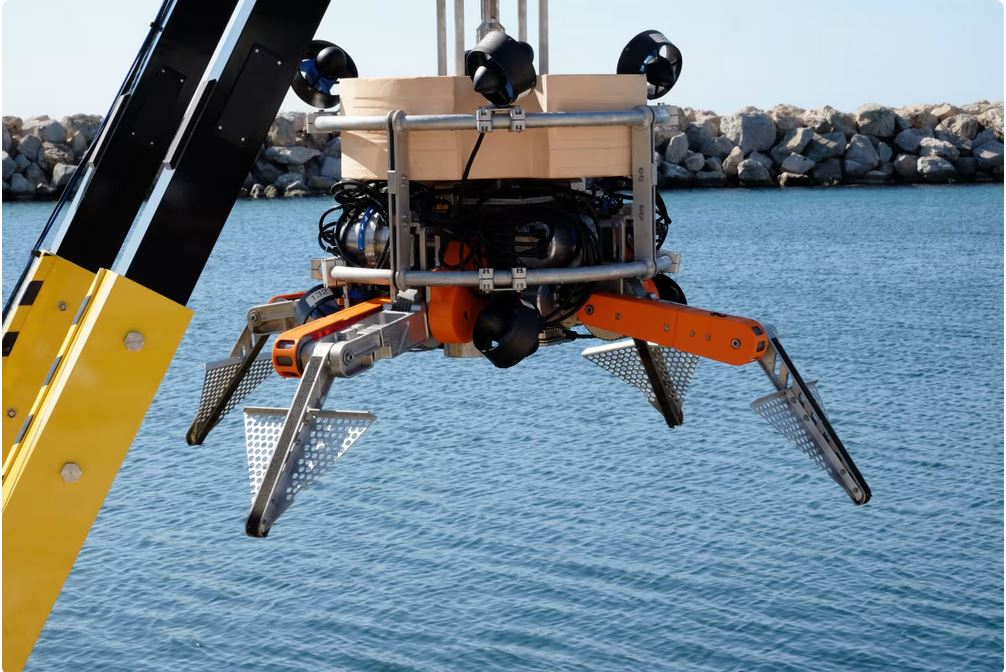
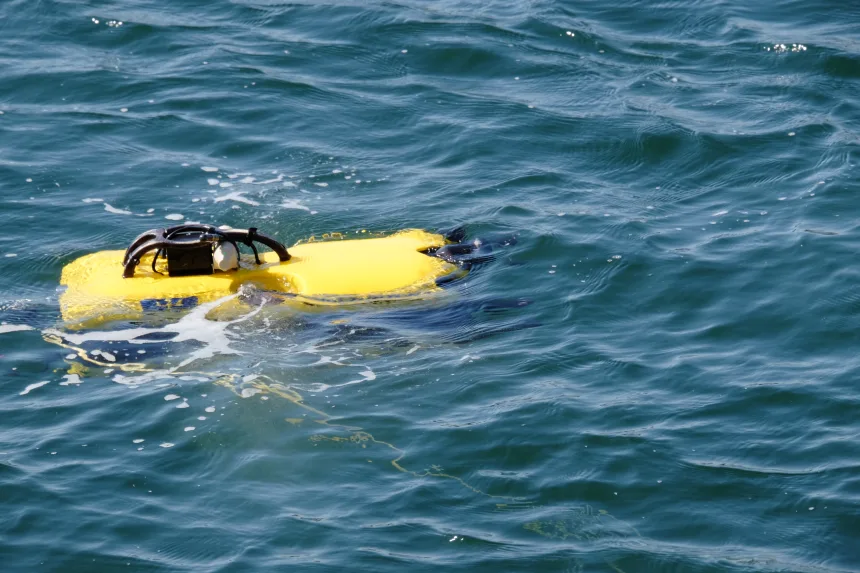
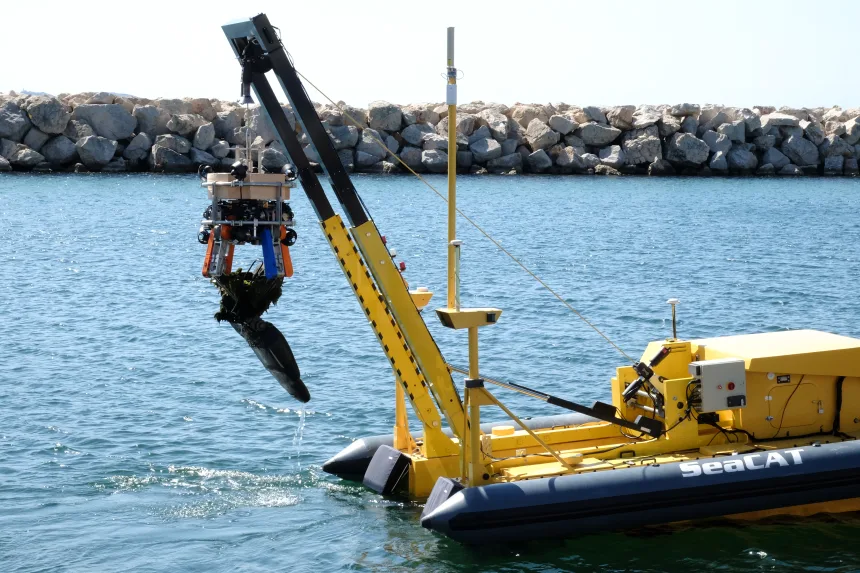
In the CNN feature, the project was presented by Stefan Sosnowski from the Technical University of Munich (TUM), who described the capabilities of the Smart Grapple underwater robot. This autonomous system uses artificial intelligence, cameras and sonar to identify litter on the seabed and retrieve it using a powerful four-fingered gripper capable of lifting objects up to one metre in size and weighing up to 250 kilograms. The retrieved waste is then transferred to an autonomous surface vessel that carries it to shore for recycling. Designed to operate in conditions where human divers face limitations, the system opens new possibilities for cleaning larger areas and locations that are hazardous or difficult to access.
CNN also draws attention to the scale of the global marine litter problem. Between 1950 and 2020, an estimated 32 million tonnes of plastic accumulated in the oceans, a figure expected to reach 76 million tonnes by 2040 without additional interventions. Discarded fishing gear, nets and containers pose severe risks to marine life, while plastic breaks down into microplastics that enter the food chain and potentially affect climate-related processes. For these reasons, researchers emphasise the need for technological solutions that enable systematic cleaning of the seabed, particularly in high-pressure environments.
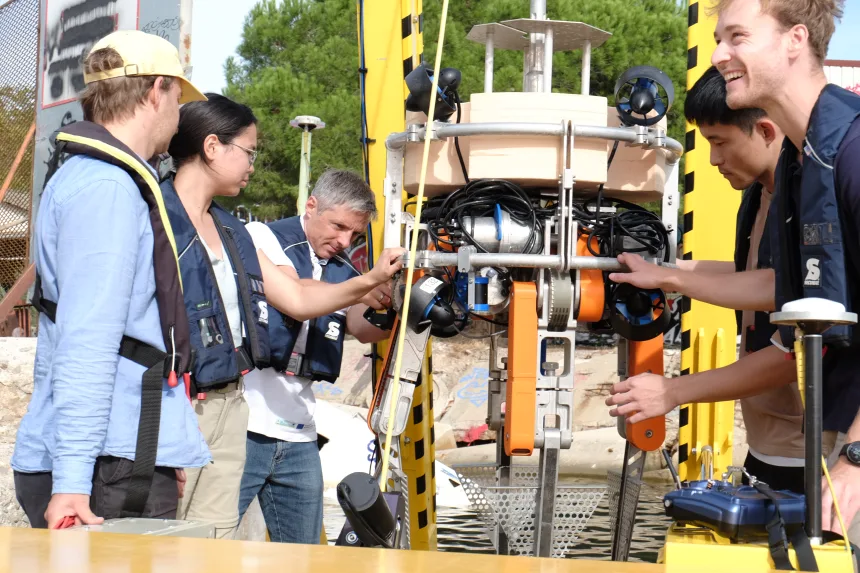
One of the greatest challenges in developing Smart Grapple was training the system to distinguish litter from natural seabed elements. To achieve this, researchers and students at TUM created the largest existing dataset of underwater images of waste and natural objects, which is used to train the robot’s neural network. Seeing the system operate in real-world conditions has been described by the research team as a particularly rewarding milestone, reflecting years of development and refinement.
The technology has already been tested in the ports of Marseille and Hamburg, where it successfully collected a wide range of litter, from car seats to small pieces of fabric. These demonstrations confirmed the system’s effectiveness in real environments and paved the way for further optimisation and progress towards fully autonomous operation. Project coordinator Bart De Schutter noted that although robotic systems cannot replace the need for responsible environmental behaviour, they can provide essential support in areas with high ecological pressure, such as ports and protected marine reserves, where continuous monitoring and rapid intervention are crucial.
SeaClear 2.0, bringing together thirteen partners from across Europe, demonstrates how innovation and collaboration can unlock new possibilities in marine protection. While autonomous robotics cannot solve all challenges linked to marine litter, they can significantly enhance existing efforts and transform the way we protect our seas at a time when the impacts of pollution are increasingly evident in marine ecosystems worldwide.
Read the original article on CNN.