
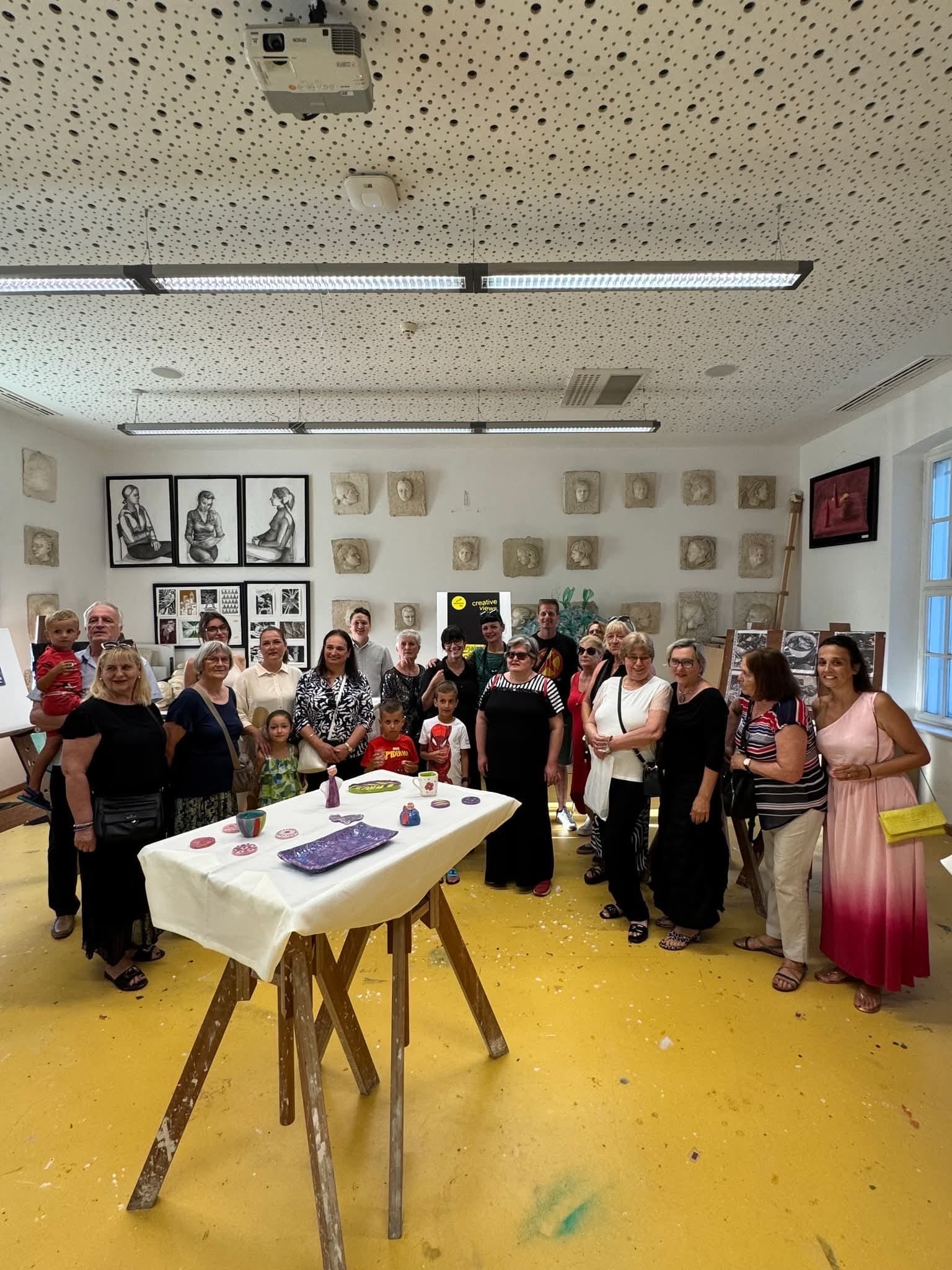
The University of Dubrovnik is a partner in the Multisensory Art project, implemented within the Creative Europe Programme, which focuses on the development of inclusive and multisensory art, with a particular emphasis on blind and visually impaired persons.
Although the project is primarily aimed at members of marginalized groups, its content and outcomes are also relevant and engaging for the wider public. The core objective of the project is the collaborative creation and production of innovative sensory artworks, as well as the development of new practices in inclusive and multisensory visual art.
Across the European Union, there are more than 30 million blind and visually impaired people, whose access to cultural events and activities—particularly in the field of visual arts—is often limited. Since visual art is traditionally perceived mainly through sight, the Multisensory Art project aims to present visual art in an innovative, multisensory way, making it accessible through touch, sound, scent, and other sensory experiences.
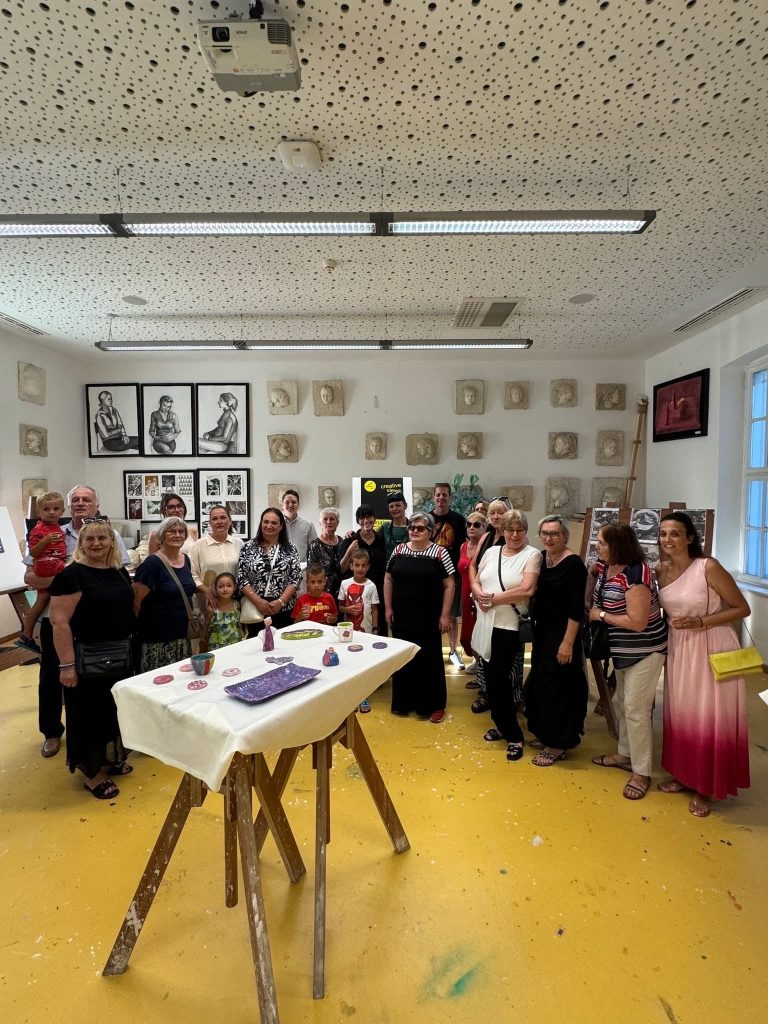
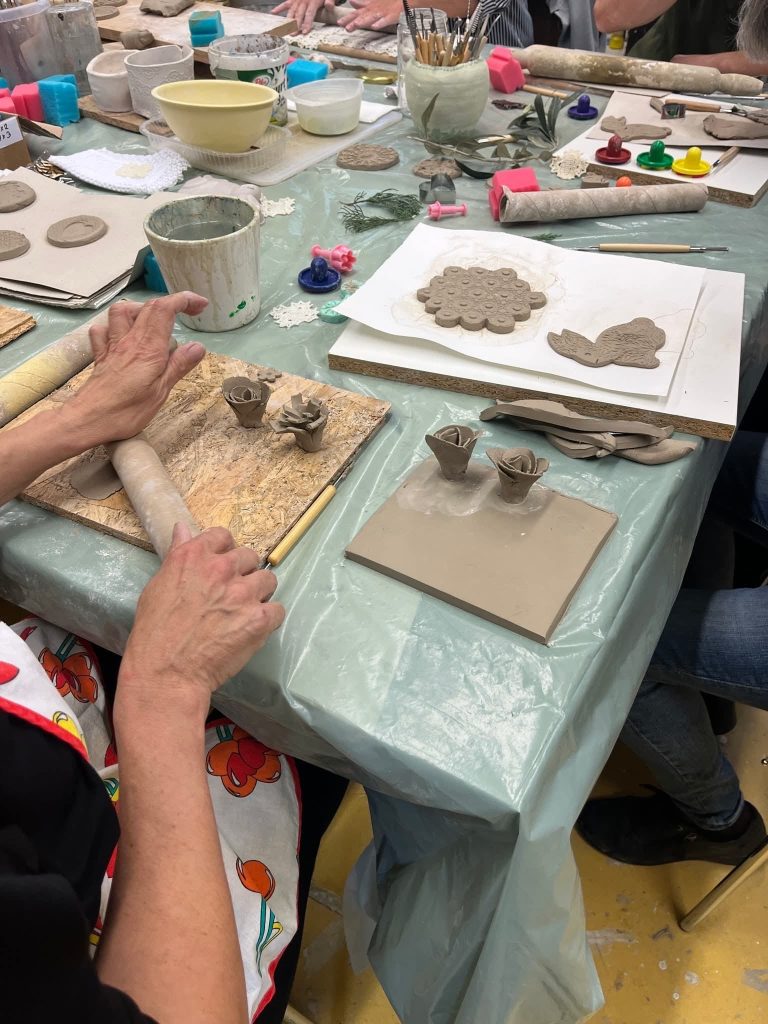
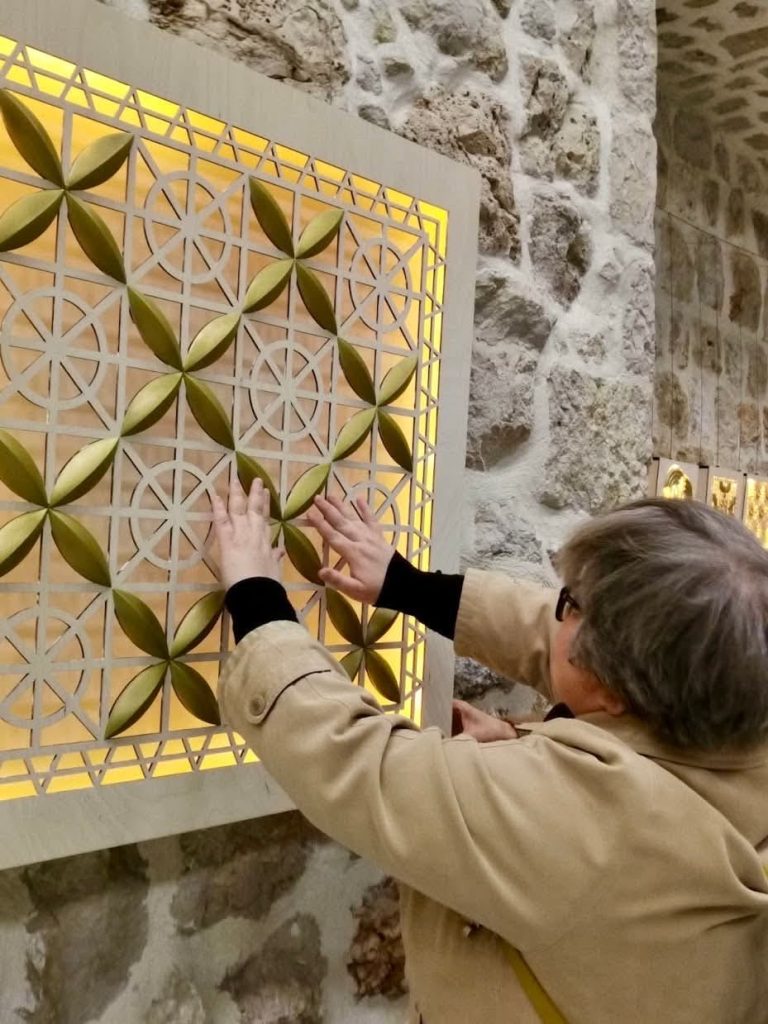
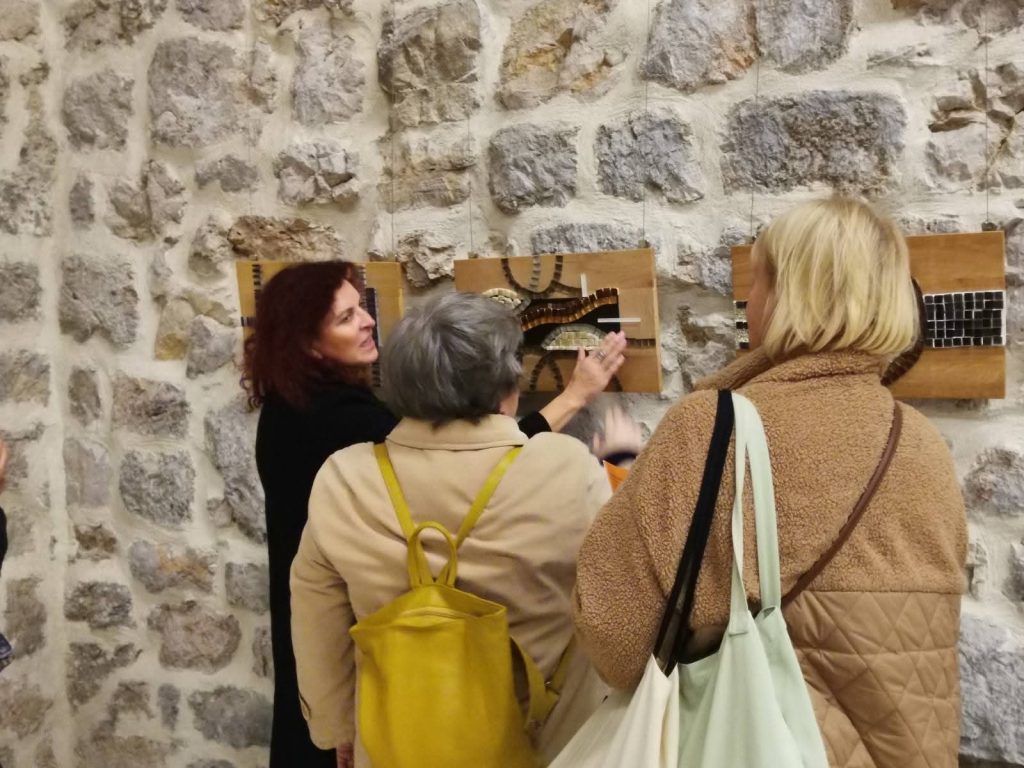
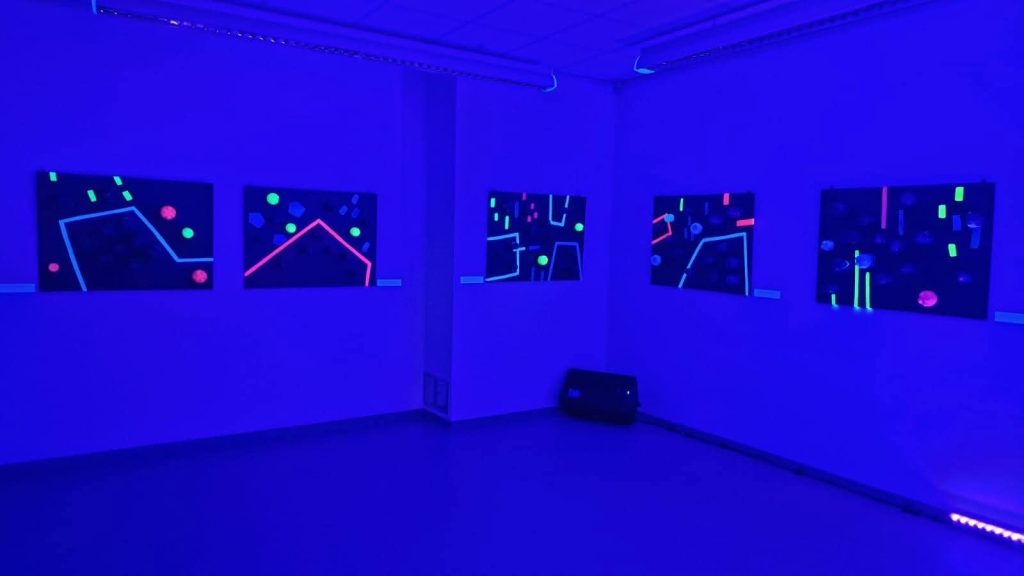
A significant portion of the planned activities has already been successfully implemented. Workshops designed for blind and visually impaired participants have been conducted, offering opportunities to develop specific artistic expression skills through tactile, auditory, and other sensory approaches. In parallel, a substantial part of the exhibition programme has been realized, including exhibitions of artworks created during the workshops, as well as exhibitions of sensory artworks adapted to the perception of people with visual impairments.
Through these activities, new artistic practices have been tested and presented to the public in gallery spaces and through educational programmes, enabling the project to already make a notable contribution to increasing the accessibility of visual culture for people with visual impairments.
In the upcoming phase, the project will focus on the realization of sensory sculptures in public spaces, which will serve as a pilot model for the application of multisensory art in open, urban environments. These sculptures will enable further testing and development of innovative approaches, with the aim of future application and dissemination in other European contexts.
As part of the project, the implementation of 12 workshops for blind and visually impaired participants is planned, along with three exhibitions of artworks created during the workshops and six exhibitions of sensory artworks adapted to the perception of blind and visually impaired persons. A unifying element of all project activities is the integration of cultural heritage and sustainable practices.
The project brings together artists and designers from Slovenia, Croatia, and Serbia, establishing strong international cooperation based on mutual learning, exchange of experience, and the circulation of artworks. Particular emphasis is placed on the use of technologically innovative approaches in visual art, such as the application of 3D printing to create tactile images, as well as experimentation with multisensory formats combining sound, scent, and touch.
In addition to its artistic dimension, the project also has a strong social and therapeutic component. Through workshops, blind and visually impaired participants gain specific skills that can enhance self-confidence, social inclusion, and overall quality of life. These skills may also create opportunities for additional income through artistic production and the establishment of sales channels during the project’s implementation. Furthermore, a study will be developed to explore the possibilities of continuing the workshops after the end of EU funding, in cooperation with associations of blind and visually impaired persons.
Project activities and results are disseminated through social media, while a YouTube channel is currently in preparation, which will document the creation process of sculptures for the outdoor sensory gallery. In addition, an interactive publication titled “Designing for the Blind” is currently being developed, bringing together knowledge, experience, and examples of good practice generated through the project.